Myths about household recycling--what actually gets recycled
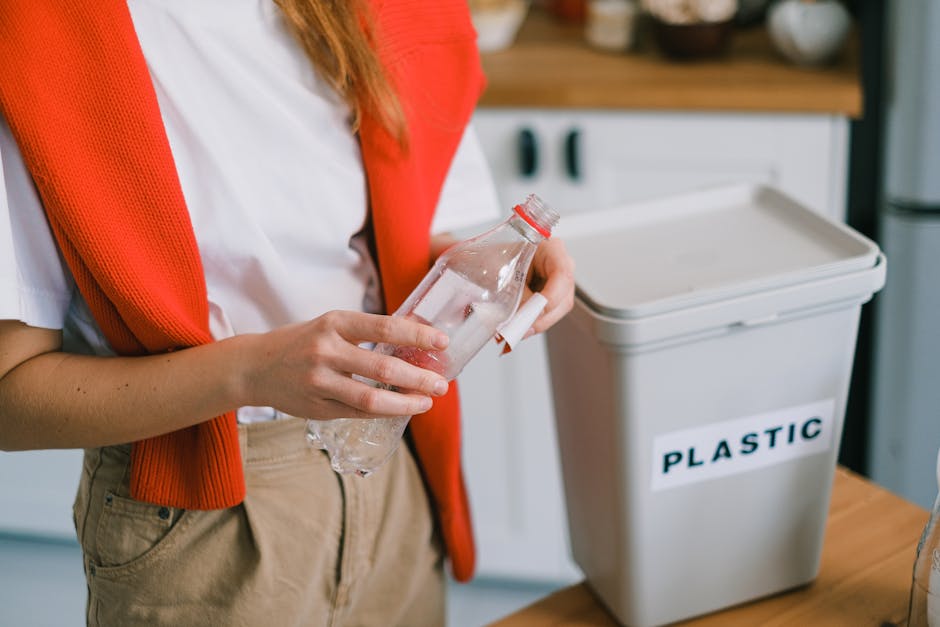
Household recycling sounds simple enough until you actually stand at the bin in your kitchen, holding a greasy pizza box in one hand and a flimsy yoghurt pot in the other. Recycle it? Rinse it? Flatten it? Chuck it in the general waste and hope for the best? That confusion is exactly why myths about household recycling--what actually gets recycled matter so much. The truth is a bit less glamorous than the slogans on the side of the bin, but far more useful. In this guide, we'll strip away the myths, explain what usually gets recycled, and help you make better day-to-day decisions without the guesswork.
And yes, some items you've probably been recycling for years may not end up where you think they do. Bit annoying, to be fair. But once you understand how the system works, you can recycle with a lot more confidence and waste a lot less effort.
- Why these myths matter
- How household recycling actually works
- Key benefits and practical advantages
- Who this is for and when it makes sense
- Step-by-step guidance
- Expert tips for better results
- Common mistakes to avoid
- Tools, resources and recommendations
- Law, compliance, standards, or best practice
- Options, methods, or comparison table
- Case study or real-world example
- Practical checklist
- Conclusion
- Frequently asked questions
Why Myths about household recycling--what actually gets recycled Matters
Recycling myths do more than clutter the mind. They change behaviour. If people assume everything with a recycling symbol is accepted, bins get contaminated. If they assume nothing is really recycled, good materials end up in the wrong place or in landfill when they could have been recovered. Either way, the system becomes less efficient, and the household doing the right thing feels quietly betrayed.
There's also a practical side. In many UK homes, recycling is one of the easiest ways to cut down general waste and keep bulky clear-outs more manageable. For larger items, understanding what can be reused, dismantled, or sent into material recovery can help you make smarter choices before arranging a collection. If you're dealing with bigger household items, it can be useful to look at services such as white goods recycling or broader options like recycling and sustainability as part of a cleaner disposal plan.
It also matters because recycling rules aren't identical everywhere. Council collections, private waste services, and local facilities can accept different items. What gets recycled in one borough may not be taken in another. So the headline myth is usually not "this item can never be recycled"; it is more often "this item can be recycled somewhere, just not always in your household bin." That distinction changes everything.
Practical takeaway: the goal is not to recycle more at any cost. The goal is to recycle the right things, in the right condition, through the right route.
How Myths about household recycling--what actually gets recycled Works
Household recycling is really a chain of decisions, not a magic bin. You sort items at home. They're collected. Then they go to a materials recovery facility, transfer station, or another sorting and processing route. After that, accepted materials are separated, baled, and sold or sent to reprocessors who turn them into new raw materials or products. Sounds neat on paper. In real life, it's a bit messier.
What gets recycled depends on a few things:
- The material itself - paper, card, glass, metals, certain plastics, and some food or garden waste streams.
- Condition - clean, dry, and separate items are more likely to be accepted and processed successfully.
- Local collection rules - councils and private collectors may differ on what they take.
- Market demand - recyclable materials need a viable destination, otherwise they may be stored, downcycled, or rejected.
- Contamination - food residue, mixed materials, liquids, and incorrect items can spoil a load.
A good example is a cardboard delivery box. If it's clean and dry, it is usually straightforward. If it's soaked with grease from takeaway food, it becomes much harder to process. Another common one is plastic packaging. A bottle with the lid on may be okay in some systems, while black plastic trays, cling film, or heavily contaminated tubs may not be. The rules are not random, even if they sometimes feel that way.
One quiet truth people miss: "recyclable" does not always mean "recycled in practice." It means an item can often be recovered under the right conditions and accepted by a suitable facility. That's a very different claim. And once you notice it, you'll start seeing how much of recycling is about logistics, not just intention.
Key Benefits and Practical Advantages
When you sort household recycling properly, the benefits are real, even if they're not always dramatic enough for a glossy leaflet.
1. Less contamination. Clean, correctly sorted recycling helps improve the quality of the material stream. That means fewer loads rejected or downgraded.
2. Better use of resources. Aluminium, glass, paper, and certain plastics can be reprocessed into new items, which reduces pressure on virgin materials.
3. Easier waste management at home. Once you understand what belongs where, the weekly routine gets less fiddly. You stop second-guessing every bottle and takeaway container.
4. Smarter clear-outs. If you're getting rid of furniture, white goods, or mixed household junk, knowing what can be separated for recycling helps you reduce waste before the collection day. For larger household items, pages like furniture disposal, bed disposal, and fridge disposal can be useful when you're planning a bigger sort-out.
5. Less guilt, more confidence. Let's face it, nobody enjoys standing over a bin wondering if they've got it wrong. Good information removes that nagging doubt.
There's a practical bonus too: better recycling habits often lead to better decluttering habits. Once you start separating what can be reused, recycled, repaired, or responsibly removed, a home clearance feels less overwhelming. Smaller piles. Fewer surprises. More control.
Who This Is For and When It Makes Sense
This guide is for anyone who wants to get household recycling right without turning it into a weekend project. In other words: most people.
It is especially useful if you:
- live in a flat or shared property where bins are always a bit of a battleground
- have recently moved and don't yet know the local recycling rules
- are clearing out cupboards, a loft, garage, or spare room
- have bulky items and want to avoid sending recyclable materials to general waste
- want a clearer understanding of what happens after the bin lorry collects your recycling
It also makes sense when you're deciding whether to use a council collection, a private waste service, or a specific recycling route for a certain item. For example, a broken fridge, a mattress, and a pile of mixed packaging each require a different approach. Not ideal, maybe, but that's the reality.
If you're handling a house move, a refurbishment, or a seasonal clear-out, this topic becomes even more relevant. Recyclable materials are often hidden inside what looks like general waste. A bit of sorting at the start can save hassle later.
Step-by-Step Guidance
Here's a sensible way to approach household recycling without overcomplicating it.
- Check what your local collection accepts. The first step is always the most boring and the most useful. Councils and collection services can vary. Don't assume your old system still applies.
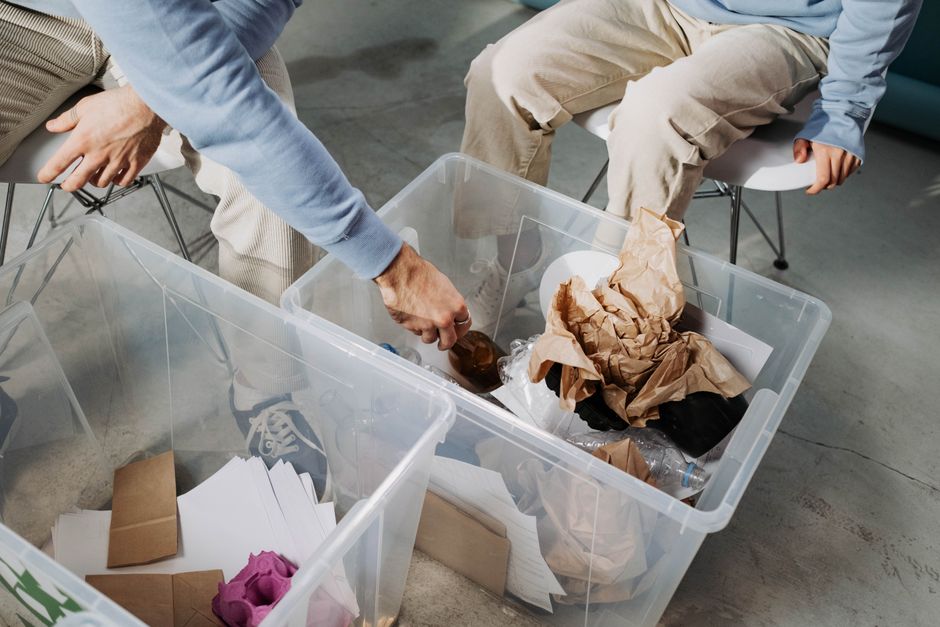
- Sort by material, not by hope. Paper with paper. Card with card. Metals with metals. Keep items separate where possible, especially if your local scheme asks for it.
- Remove contamination. Empty bottles. Scrape food residue. Tip out liquids. You do not need museum-level cleanliness, but a yoghurt pot with a spoonful of yoghurt still inside is not helping anybody.
- Flatten and compact where appropriate. Cardboard boxes and drinks cartons often take up less space when folded. That makes home storage easier too, especially in a tight London kitchen.
- Watch for mixed materials. Some packaging combines plastic, foil, paper, and adhesive. These items are often trickier than they look. If it can't be separated cleanly, it may not belong in household recycling.
- Keep special items separate. Batteries, electricals, mattresses, fridges, paint, and textiles usually need specific handling. Don't toss them in with standard recycling and assume it'll sort itself out.
- Use the right route for bulky items. A sofa, bed frame, or white good might be suitable for reuse, dismantling, or specialist recycling. If you're arranging a larger clearance, services such as large item collection or bulk waste collection can help you separate the practical from the impossible.
A simple rule of thumb: if an item is clean, dry, and made of a commonly accepted material, it has a better chance. If it is greasy, mixed, or made from several layers glued together, the odds drop fast.
Expert Tips for Better Results
These are the small habits that make a surprising difference.
- Keep a small "check first" box by the bin. If you're unsure about an item, don't guess in the moment. Set it aside and look it up later.
- Learn the usual problem items. Soft plastics, black plastic trays, foil-lined packaging, takeaway boxes with heavy food residue, and mixed-material pouches are frequent troublemakers.
- Think beyond packaging. Old household items can often be recycled through specialist routes. For instance, some appliances and furniture have separate recovery streams, and they may be better handled through waste disposal or dedicated item pages rather than general recycling bins.
- Don't over-wash. A quick rinse is usually enough. You're not preparing it for Sunday lunch.
- Keep lids, labels, and pumps in mind. In some systems these are accepted, in others they're not. The sensible move is to follow local guidance rather than rely on a universal rule.
- Use reuse before recycling where possible. A sturdy storage tub, a jar, or a piece of furniture might still have life left. Reuse is often the cleaner option.
One expert habit that sounds tiny but helps a lot: empty the recycling caddy before it gets chaotic. A few days of mixed bits, damp cardboard, and a mystery lid from three weeks ago, and suddenly the bin smells like a damp shed. Nobody needs that.
Common Mistakes to Avoid
The biggest mistakes are usually not dramatic. They're small, repeated, and easy to miss.
- Putting wish-cycling into the bin. Wish-cycling means tossing something in recycling because you hope it might be accepted. Hope is not a sorting method.
- Leaving food and liquid inside containers. This is one of the fastest ways to contaminate otherwise useful material.
- Assuming all plastics are the same. They're not. Bottles, trays, pots, films, tubs, and pouches can be treated differently.
- Mixing soft plastics with rigid packaging. Many collection systems do not want them together.
- Putting electricals in the wrong stream. Cables, kettles, chargers, and small appliances often need separate handling. For larger electrical or white goods items, a specialist route is usually better.
- Ignoring local rules because a relative's council does it differently. Very common. Also very unhelpful.
Another mistake is overthinking to the point of inaction. If you spend ten minutes debating one jar and never sort the rest, the whole system loses its value. Aim for sensible, consistent habits rather than perfection. Perfection is a trap here.
Tools, Resources and Recommendations
You do not need fancy gear to recycle properly, but a few simple tools make the job easier.
- Separate indoor containers. One for paper/card, one for mixed recycling, one for general waste. Even basic tubs can help.
- A label or note on the wall. Especially useful in shared homes. A quick reminder saves repeated arguments.
- A small scraper or spatula. Handy for food packaging and jars. A quick swipe is often enough.
- Reusable bags or boxes for drop-off items. Useful if your local route needs you to separate certain materials.
- Clearance and collection options. If you're dealing with bulky household items, a dedicated service can reduce the chance that recyclable materials end up mixed and wasted. Depending on the item, you might look at furniture collection, mattress collection, or white goods recycle.
If your home is going through a bigger reset, practical services like house clearance, home clearance, and rubbish clearance can help you separate recoverable items from waste that truly has no better route. That matters more than people think.
Law, Compliance, Standards, or Best Practice
For householders, the main thing is not to pretend recycling is a legal minefield when it usually isn't. Still, there is a compliance angle worth respecting.
In the UK, household recycling arrangements are shaped by local council rules, waste carrier practices, and broader environmental expectations. The exact accepted materials, set-out rules, and collection schedules can differ by area. If you live in London, that variation is easy to spot: what's accepted in one borough may be rejected in another, and shared buildings can add another layer of complexity.
Best practice is simple:
- follow the instructions provided by your council or collection provider
- avoid contaminating recycling with food, liquids, or non-recyclable items
- use specialist services for bulky waste, electricals, and hazardous household items where required
- make sure the provider you use handles waste responsibly and safely
If you're using a private service, it also helps to check basic trust signals such as insurance, safety approach, payment security, and complaints handling. Those aren't exciting topics, granted, but they're the kind that matter after the job is done. For reference, pages like insurance and safety, payment and security, and complaints procedure exist for exactly that kind of reassurance.
The bottom line: legal compliance is usually about using the right route and not putting the wrong materials into the wrong stream. Simple, but easy to get wrong if nobody explains it properly.
Options, Methods, or Comparison Table
When people ask what actually gets recycled, they often really mean: which route should I use for this item? The answer depends on the item's size, material, and condition.
| Option | Best for | What usually gets recycled | Watch out for |
|---|---|---|---|
| Council recycling bin | Everyday packaging and accepted household recyclables | Paper, card, glass, cans, and some plastics depending on local rules | Contamination, mixed materials, and item restrictions |
| Specialist item collection | Bulky household items and appliances | Metal parts, recyclable components, and reusable items where possible | Need to separate unsuitable waste and confirm item-specific handling |
| Reuse or donation route | Items still in good condition | Furniture, household goods, and some appliances if suitable | Items must be safe, clean, and usable |
| General waste | Items that cannot be recycled or reused | Very little in terms of recoverable material | Sending recyclable items here wastes resources |
The table is simple, but it captures the practical truth: the best route is the one that matches the item. A sofa is not a jam jar. A fridge is not cardboard. Sounds obvious when written down, yet people mix them up every day.
Case Study or Real-World Example
Here's a very ordinary example from a typical household clear-out. A family in a London flat is preparing for a move. They've got a broken bookshelf, a couple of boxes of mixed packaging, an old microwave, and two bags of clutter from the hall cupboard. The temptation is to shove the lot into one collection and be done with it. I get it. Moving week is rarely graceful.
Instead, they split the load:
- clean cardboard goes into recycling
- the microwave is separated for specialist handling
- the bookshelf is checked for reuse or disposal
- non-recyclable odds and ends go into general waste
They also remove a few things that looked like rubbish at first glance but were actually still useful: a sturdy storage box, a lamp in working order, and a set of jars. Nothing dramatic. Just sensible sorting.
The result is a cleaner clearance, less waste in the wrong place, and a smaller chance of paying to dispose of material that could have been recovered. Truth be told, that's the quiet win most households are looking for. Not a perfect recycling score. Just fewer mistakes and less mess.
Practical Checklist
Use this quick checklist before you put anything into household recycling or arrange a larger collection.
- Is the item actually accepted in your local recycling scheme?
- Is it clean and reasonably dry?
- Is it made of one main material, or can parts be separated?
- Does it contain food, liquid, batteries, or hazardous residue?
- Could it be reused, repaired, or donated instead?
- Is it a bulky item that needs specialist handling?
- Have you kept soft plastics, batteries, and electricals apart from standard recycling?
- Have you flattened card and removed obvious contamination?
If you can tick most of those boxes, you're usually on the right track. If not, pause and check before binning it. That one small pause saves a lot of trouble later.
Get a free quote today and see how much you can save.
Conclusion
The biggest myth about household recycling is that it's either simple or pointless. In reality, it's somewhere in between. Some materials are recycled very reliably when they're clean and sorted. Others are accepted only in certain areas, or through specialist routes. A few items look recyclable but aren't, at least not through your normal household bin.
Once you understand what actually gets recycled, the whole process feels less mysterious. You stop guessing. You make fewer mistakes. And when you need to deal with bigger items, you know when a specialist collection or clear-out service makes more sense than forcing everything into one system.
If you take only one thing from this guide, let it be this: recycle with a bit of care, not blind faith. That's usually enough. And honestly, it's a good habit to have.
Small improvements add up. One bin at a time, one decision at a time.
Frequently Asked Questions
What household items are most likely to be recycled?
Commonly accepted household recyclables include paper, cardboard, glass bottles and jars, metal cans, and certain plastics, depending on local rules. Cleanliness and local collection guidance make a big difference.
Do all recycling symbols mean an item will be recycled?
No. A recycling symbol usually means the item may be recyclable under the right conditions, not that it will automatically be collected or processed by your local scheme.
Why do some items with the recycling logo still end up in general waste?
Because recyclability depends on collection systems, contamination, and market demand. An item can be technically recyclable but still not accepted by your household service.
Should I rinse containers before recycling them?
A quick rinse or scrape is usually helpful. You do not need to deep-clean everything, but food residue and liquid can contaminate a load, so leaving containers half-full is a bad idea.
Can I recycle greasy pizza boxes?
Usually only the clean parts, if your local service accepts cardboard. Heavily greasy or food-soiled sections often belong in general waste.
Are plastic pots, tubs, and trays always recyclable?
Not always. Some are accepted in household recycling, while others are not. It depends on local rules and the type of plastic. Soft plastics and black trays are common problem items.
What should I do with old furniture that might still be usable?
If it is safe and in decent condition, reuse or donation is often the better first step. If not, look at furniture-specific removal or disposal routes so recyclable components can be recovered where possible.
How do I dispose of a broken fridge or freezer?
Fridges and freezers should usually be handled through a specialist collection or disposal route because they contain components that need careful treatment. Do not leave them out with ordinary household recycling.
Is it better to use council recycling or a private collection service?
For day-to-day household packaging, council recycling is usually the standard route. For bulky items, mixed clear-outs, or specialist disposal, a private service can be more practical. The best choice depends on the item.
What is the biggest mistake people make with household recycling?
Wish-cycling. That's when people throw questionable items into the recycling bin and hope for the best. It feels helpful, but it often creates contamination instead.
Do councils accept the same items everywhere in the UK?
No, they do not. Accepted items vary by local authority and collection system, which is why it is always worth checking your own area rather than assuming a national rule.
How can I reduce waste before it even reaches the recycling bin?
Reuse what you can, repair items where practical, buy fewer heavily packaged products when possible, and separate bulky items for the right disposal route. That usually reduces both waste and effort.
What should I do if I'm unsure about an item?
Set it aside and check local guidance rather than guessing. If the item is bulky or specialised, a dedicated collection or disposal service may be the cleaner solution.
Can recyclable items be damaged if I put them in the bin the wrong way?
Yes. Contamination, mixing unsuitable materials, and overfilled bins can all reduce the chance that recyclables are successfully processed. A little care goes a long way, honestly.
What's the simplest way to get household recycling right more often?
Keep a small sorting system at home, learn the most common local rules, and separate special items early. Once the habit sticks, it becomes much easier than trying to fix a mixed pile later.
If you're planning a home clear-out, it can help to start with the biggest items first and work down to the smaller bits. That way the room looks clearer quickly, and the recycling decisions get a lot easier after that.