Insurance and Safety for Large Item Collection
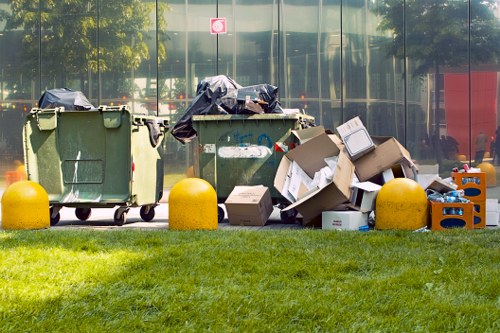 Large Item Collection operations require a robust blend of insurance, staff competence, protective equipment and systematic risk assessment. Whether described as large-item collection, bulk collection or oversized item removal, the activity exposes crews, members of the public and property to hazards that must be managed proactively. This page outlines the policies and practical steps we take to ensure safe, compliant large item pickup services and to demonstrate how public liability coverage, training and protective measures come together to reduce incident frequency and severity.
Central to any responsible bulky-item collection service is public liability insurance. This insurance protects both the operator and the public by covering third-party injury or property damage that may arise during a collection. Coverage is structured to match the scale of the operation: limits are selected to reflect vehicle numbers, geographic spread and the value of goods handled. Policy clauses typically include liability for bodily injury, property damage and legal defence costs. Certificates of insurance are made available to stakeholders on request and form part of audit-ready documentation.
 Public liability for large item pickup also requires careful policy management and claims readiness. Underwriters expect documented safety systems, incident logs and a demonstrable approach to training and equipment maintenance. Where specialised removals involve hazardous components (for example, batteries or asbestos-containing fixtures), additional endorsements or permits are arranged to ensure the insurance cover remains valid and comprehensive. Regular reviews of cover limits, excesses and named insured parties ensure the protection matches operational risk for each large-item collection service.
Staff Training and Competence
Skilled, competent crews are the first line of defence in minimizing incidents during a bulky item collection. Training programs include induction, manual handling techniques, vehicle loading and securement, traffic awareness and customer interaction skills. All staff complete initial training followed by scheduled refresher sessions. Supervisors receive additional instruction in site assessment and incident investigation. Training records are retained as part of our compliance framework, and competency assessments are used to confirm practical skills for specific tasks associated with large item pickup.
Practical drills and on-the-job coaching reinforce classroom learning; these exercises simulate real-world bulky-item scenarios to ensure crews can apply procedures under pressure. The approach is outcome focused: employees must demonstrate safe lifting, effective use of mechanical aids, and correct attachment of straps or restraints during vehicle loading. Emphasis is placed on communication and teamwork, reducing the likelihood of accidents during the physically demanding parts of bulk collection.
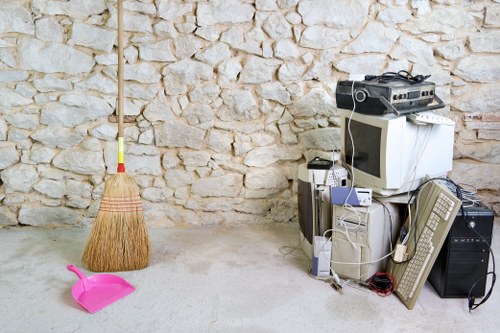 Personal protective equipment (PPE) is mandated for all large-item collection shifts. Standard issue items include high-visibility garments, steel-toe footwear, gloves suited to the material being handled, safety glasses and hard hats where overhead hazards exist. For specific tasks, additional PPE such as respiratory protection or cut-resistant sleeves may be required. PPE policies specify inspection routines, replacement intervals and cleaning procedures so that equipment functions as intended and complies with occupational health standards.
Risk Assessment Process and Ongoing Controls
Risk assessment for oversized item removal follows a structured, documented process. Pre-task site surveys identify hazards such as restricted access, uneven surfaces, underground services, overhead cables and traffic flows. Each collection is assigned a risk rating and control measures are recorded. Controls include using mechanical aids, route planning to reduce manual handling, traffic management procedures and coordinating with property owners where complex access is anticipated. The assessment is a living document: it is updated if conditions change and forms the basis for specific work instructions.
![A long row of black plastic rubbish bags filled with waste materials is piled along the edge of a paved street in an outdoor area. The bags are tightly secured and resting on the curb, with some bags appearing slightly deflated or bulging. Behind the pile, there is a dense backdrop of green foliage and trees, suggesting a park or wooded area near a residential or commercial zone. The scene is illuminated by natural daylight, with shadows cast on the bags and street, highlighting the texture of the plastic and the contrast between the dark bags and the vibrant greenery. This image visually represents bulk rubbish collection and disposal services undertaken by companies like Large Item Collection, particularly in areas near [POSTCODE] and [TOWN], aligning with the context of rubbish removal within local communities in the UK.](/pub/_photos/rubbish/f1348730880.jpg) Dynamic risk assessments are used on arrival at a site to capture unforeseen hazards and to adapt controls in real time. Crews are empowered to stop work if safety cannot be assured and to escalate concerns to supervisors. Vehicle loading checks, weight distribution monitoring and securement protocols mitigate the risk of load shift during transit. Where required, traffic marshals or temporary signage are deployed to protect the public and crew during curbside bulky-item pickup operations.
Dynamic risk assessments are used on arrival at a site to capture unforeseen hazards and to adapt controls in real time. Crews are empowered to stop work if safety cannot be assured and to escalate concerns to supervisors. Vehicle loading checks, weight distribution monitoring and securement protocols mitigate the risk of load shift during transit. Where required, traffic marshals or temporary signage are deployed to protect the public and crew during curbside bulky-item pickup operations.
 Continuous improvement underpins the safety management system for any large-item collection program. Incident reporting and near-miss analysis identify trends and feed into revised training, enhanced PPE standards and updated risk assessment templates. Regular audits of insurance documentation, equipment condition and staff competencies ensure that the service remains resilient and legally compliant. By combining comprehensive public liability cover, disciplined training regimes, mandated PPE and a rigorous risk assessment process, operators deliver safer, more reliable large-item collection services while protecting people and property.