Recycling and Sustainability for Large Item Collection
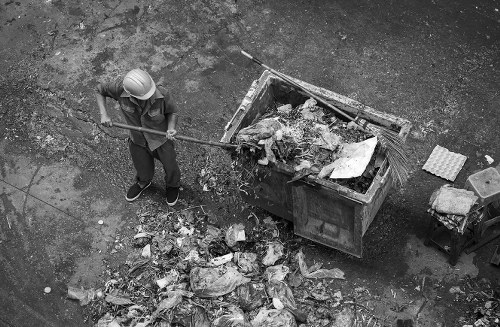 Large Item Collection and sustainability are central to how we handle bulky waste across the boroughs. This page explains our ambitions, operations and partnerships that make a modern large-item collection service both efficient and green. We set a clear recycling percentage target for bulky items and work with local transfer stations, charities and low-carbon transport providers to turn what would be waste into useful resources. Our approach respects the boroughs' existing waste separation systems ??? glass, paper, food and mixed recycling ??? while providing dedicated streams for large and bulky materials.
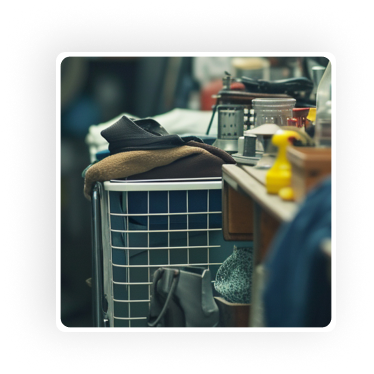
We view reuse as the first step in a circular approach. Our bulky item pick-up teams coordinate with community reuse centers and second-hand charities to ensure serviceable furniture, appliances and textiles get a second life. Through scheduled large items collection and mid-week bulky waste collection rounds, we recover items in good condition for donation rather than disposal. Repair, refurbish and redistribute are the watchwords: items that can be repaired are diverted to local repair workshops and social enterprises who train residents and extend product life.
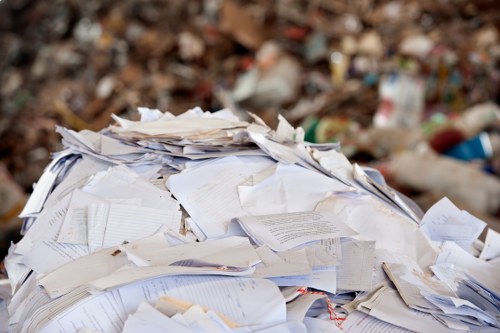 Local transfer stations are the backbone of our sorting and processing model. At these transfer hubs, items coming from the large items collection service are separated into streams such as metals, wood, WEEE (electricals), mattresses, and textiles. This separation builds on boroughs??? curbside segregation practices and ensures the bulky waste collection is compatible with wider municipal recycling schemes. We embrace technology-assisted sorting where practical and maintain stringent inspection routines to avoid contamination and maximize material recovery.
To reduce transport emissions and deliver an environmentally responsible bulky item pick-up, we have invested in a fleet of low-carbon vans. These include battery-electric vehicles for urban rounds and low-emission hybrids for longer transfers. Route optimization software reduces empty miles, and consolidated collections minimize the number of vehicle journeys needed per item. Every van in the fleet is maintained to the highest standard to improve efficiency and cut greenhouse gas emissions while still providing reliable large items collection for households and community groups.
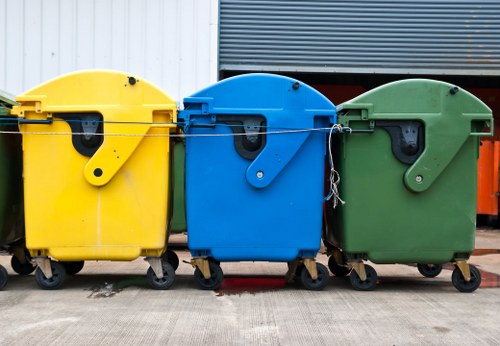 Our recycling percentage target is ambitious but achievable: we aim to achieve a 65% recycling and reuse rate for large items by 2030. Meeting this target means increasing reuse partnerships, improving sorting at transfer stations, and expanding collection capacity for bulky waste. It also means educating residents about preparing items for collection ??? for example, removing food-contaminated cushions, separating metal fittings from wooden furniture, and clearly labelling items for donation ??? aligning resident actions with borough-level waste separation guidance to improve downstream recovery.
Partnerships with local charities are essential. We work closely with social enterprises, furniture reuse charities and accredited recyclers to ensure that salvageable goods are repaired and redistributed. Strong collaboration with these partners creates social value by supporting employment and training opportunities while reducing landfill reliance. Our large items collection teams prioritize direct handover to charity partners when possible and coordinate drop-offs at community reuse centres located near transfer stations to shorten transport times and lower emissions.
Operationally, the large items collection service follows clear staging: collection, transfer, sorting and onward processing. At transfer stations an item may be triaged for reuse, sent to specialized recyclers, or prepared for material recovery. We track outcomes for each category and report on metrics such as tonnes diverted from landfill, items repaired or donated, and CO2e saved by using low-carbon vans and optimizing logistics. These KPIs feed into our sustainability reporting and inform continuous improvement efforts across all borough bulky waste collection operations.
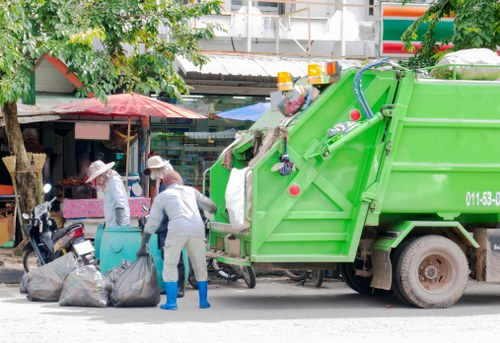 Key recycling streams handled through our bulky waste collection include:
- Metal recovery ??? appliances, radiators and metal frames processed for scrap and remanufacture.
- Wood and timber ??? furniture and wooden fixtures reclaimed or chipped for energy and reuse.
- Electricals (WEEE) ??? small and large appliances treated separately to recover valuable components.
- Textiles and mattresses ??? assessed for reuse or, where necessary, recycled through certified processors.
- Hazardous components ??? items containing hazardous materials are handled following strict protocols at transfer stations.
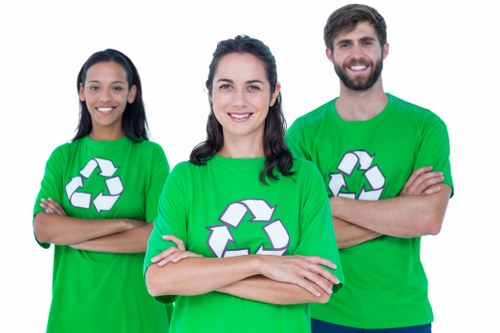
Community-led circularity and next steps
Local action, measurable outcomes
A successful bulky waste collection program depends on community cooperation. By following the boroughs??? waste separation guidance ??? separating food waste, glass and paper at the kerbside and setting out large items for scheduled collection or charity pickup ??? residents contribute directly to higher recovery rates. We provide clear labeling and simple preparation notes to make the process straightforward. Community commitment drives both environmental and social benefits.In summary, our integrated model for large-item collection blends an ambitious recycling percentage target with practical on-the-ground measures: robust partnerships with charities, efficient transfer stations, and a growing fleet of low-carbon vans. Through reuse-first policies, meticulous sorting, and sustainable transport, we transform bulky waste into opportunities for reuse and material recovery, moving steadily toward a greener, more circular future for the boroughs and their residents.