Large Item Collection in London
Large item collection in London should be straightforward, careful and tailored to the type of item being moved. Our service is designed for bulky household and commercial pieces that need more than an ordinary bin lift, including furniture, mattresses, white goods and other sizeable waste. We focus on practical removal, sensible handling and a clear route to getting the job arranged, whether the item is already at the kerbside or still indoors.
The main aim is to help customers clear space without turning the task into a complicated project. We can support collection of single items or multiple pieces, and we also handle related services such as furniture collection, sofa collection and mattress collection. Where an item is no longer usable, the same move may involve disposal or recycling, so the service is set up to be flexible rather than tied to one narrow outcome.
If you need to arrange a collection, request a quotation and share a few details about the item, access and preferred timing. A concise description is usually enough to begin with, and it helps to mention whether the item needs dismantling or is already outside. For larger clearances, our related pages such as large item collection and bulky waste collection can help you compare the right service route before you make contact.
What We Can Collect
Large items come in many forms, so the service needs to cope with different weights, shapes and materials. A bulky collection might involve a wardrobe, bed frame, sofa, chest freezer or office table, but it can also cover mixed pieces gathered from one property. The key point is that the item is not light household waste; it needs a planned collection rather than an ordinary refuse lift.
We also support customers who need disposal pathways for particular items. Useful related pages include furniture disposal, fridge disposal and white goods recycle. These pages can help when the item is not simply being moved away, but needs a suitable end-of-life route that reflects its material type and condition. That distinction matters when you are dealing with items that contain metal, wood, foam or electrical parts.
Large item work is often best approached item by item. Some customers only need one awkward piece removed from a hallway, while others want several heavy items taken in one visit. In either case, it is useful to know whether the item can be carried safely as it stands or whether doors, drawers or fittings should be removed first. Good planning makes the collection simpler and helps avoid unnecessary delay on the day.
Furniture and Household Bulky Waste
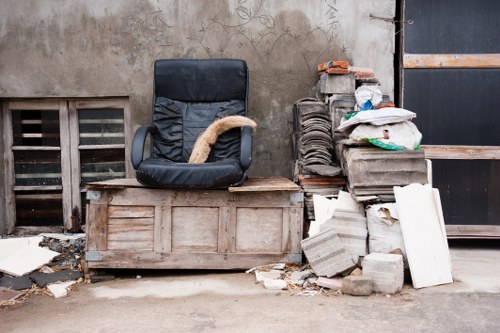
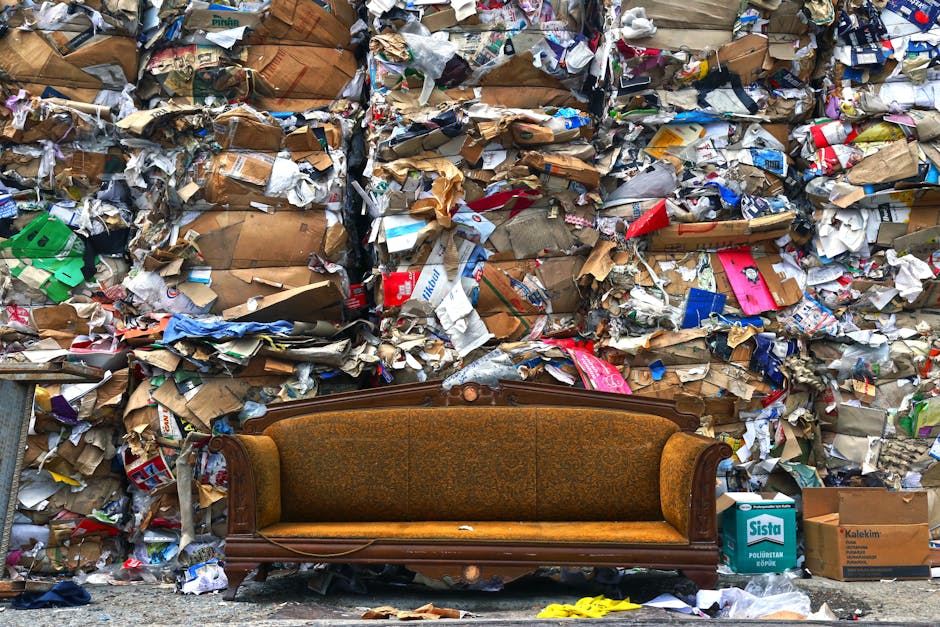
Furniture is one of the most common reasons people arrange a large item collection, and it can range from standard domestic pieces to heavier fitted-style units. Sofas, armchairs, beds, wardrobes and dining furniture often need careful handling because they are awkward in stairwells, landings and tight entrances. Our service is intended to make that movement manageable without treating every item as if it were the same.
If your priority is to remove a sofa or similar piece, the relevant pages are sofa removal and sofa collection. For bed-related items, see bed disposal. These destinations are useful when you want to match the collection approach to the item itself rather than to a general waste category. That can be especially helpful when the item is part wood, part fabric or built from several separate components.
Some bulky household items are better dealt with as clearance rather than as isolated disposal jobs. For example, a room may contain a mix of surplus furniture, a broken appliance and miscellaneous large rubbish that is all being removed together. In those cases, the collection can be planned around the overall load and the access available. A clear item description is often more valuable than a long message, because it quickly shows what type of work is needed and whether dismantling might be involved.
Appliances, White Goods and Metal Items
Large item collection is not limited to furniture. Many customers need help with bulky appliances, especially when they are too heavy to move safely without proper assistance. Fridges, freezers, washing machines and similar items can be difficult to shift because of their size, weight and shape, and they may also need a disposal route that reflects their components.
Where an appliance is part of the job, our related pages can guide the likely service type: white goods recycle for suitable recovery routes, fridge disposal for cooling appliances and waste disposal for broader end-of-life removal needs. These destinations are useful when you want to understand the difference between a simple pickup and a collection that requires more considered handling. Not every item should be treated in the same way, particularly when electrical or refrigerant-related parts are involved.
For customers comparing options, it can help to think about condition, weight and how the item is positioned. An appliance in a ground-floor utility room is usually simpler to access than one on an upper floor, while a metal item that is already disconnected may be easier to move than one still attached to plumbing or fittings. We keep the service practical so the collection can be matched to the real conditions of the job.
Clearance for Homes, Flats and Shared Spaces

Large item collection often takes place as part of a wider clearance, especially in homes where several bulky pieces need to go at once. A partial clearance might involve one room, a loft or a garage, while a fuller job can include several large items across the property. The service is designed to remain organised even when the contents are mixed, so the focus stays on what needs taking away and how best to move it.
Relevant service pages include home clearance, flat clearance and garage clearance. Each of these can suit a different setting, and the page titles help indicate whether you are dealing with a household collection, a compact flat or a storage space that has accumulated awkward items. Customers often appreciate having a route that reflects the space itself as much as the item size.
When collections take place in shared buildings, access details matter. Steps, lifts, narrow corridors and parking arrangements can all shape how the work is planned, especially for items that are too large to be carried easily by one person. A brief note about where the item is located, and whether it has already been moved from the room, can make the arrangement process smoother. For many customers, that is the difference between a straightforward quote and a back-and-forth exchange.
Commercial Large Item Removal
Large item collection is also useful for businesses that need to clear bulky stock, furniture or equipment from offices, shops or premises being reorganised. Commercial items often include desks, shelving, cabinets, display units and other larger pieces that are inconvenient to dismantle or transport by ordinary means. Our service can support these jobs where the main task is to remove sizeable items efficiently and with attention to access.
For business-related needs, the main supporting pages are office clearance and business waste removal. These are helpful if the collection forms part of a workplace move, renovation or decluttering programme rather than a single household item pickup. Where the load includes a mixture of furniture and general waste, it is usually sensible to choose the page that most closely matches the largest part of the job.
Commercial customers often need to coordinate collections around opening hours, loading access or other site activity. That does not change the nature of the service, but it does affect how the work is planned. It is therefore worth separating bulky reusable items from waste that simply needs to be taken away. The clearer the job is described, the easier it is to choose the right collection approach.
About London
London is a large and historically layered city shaped by the River Thames, a long urban history and a pattern of districts that each developed with their own character. From the ceremonial heart around Westminster and the City to the outward spread of suburban neighbourhoods, the capital combines medieval street traces, Georgian terraces, Victorian squares and extensive twentieth-century development. Its river crossings, markets, museums and civic buildings create a landscape in which old and new sit side by side. The Thames remains central to the city’s geography, linking riverside paths, wharves, bridges and regenerated dockland areas that have changed significantly over time. Famous landmarks such as the Houses of Parliament, St Paul’s Cathedral, the Tower of London and the South Bank help define its skyline and cultural identity, while parks including Hyde Park, Regent’s Park and Hampstead Heath offer major open green space within the urban fabric. London is also notable for its transport network, from Underground lines to overground rail, buses and river services, which connect a wide spread of boroughs and neighbourhoods. Cultural life is equally varied, with theatres, galleries, music venues and local high streets contributing to a city that is not one place but many overlapping places, each with distinct history and daily rhythm.
How to Prepare for a Collection

Preparing for a large item collection is usually simple, but a little organisation can help the appointment run more smoothly. Make sure the item is clearly identified and note whether it is on the ground floor, upstairs or in a shared area. If there are several pieces, it is useful to list them in order of size or priority so the most awkward items are not overlooked. For items with detachable parts, such as shelves or cushions, separating them can save time.
When you ask for a quotation, two details are especially helpful: access and condition. Access tells us how the item can be reached, while condition indicates whether it can be moved as one piece or whether it needs extra handling. If there are tight corners, stairs or a narrow doorway, that is worth mentioning early. One clear message is usually better than several fragmented ones, because it lets the collection be assessed properly from the start.
Some customers also like to compare a dedicated collection against a wider clearance route. In that case, pages such as rubbish removal, rubbish clearance and waste clearance can be useful starting points. They help show where a large item pickup fits within the broader range of waste and clearance services. If you are unsure which route is most suitable, it is reasonable to begin with the most specific item type and then widen the scope if needed.
Collection, Recycling and Disposal Choices
Not every large item should be treated as simple rubbish. Some can be reused, some require dismantling, and some should go through a recycling or disposal route that suits the material. That is why large item collection works best when it is linked to the item’s condition and composition rather than to a one-size-fits-all label. The right decision may be influenced by fabric, timber, metal or electrical content.
Where sustainability is part of the decision, the page recycling and sustainability provides a broader overview of responsible handling. For general waste routes, related destinations include waste collection and waste removal. These can be useful if your collection includes items that are no longer wanted but still need to be considered carefully before disposal. The service is therefore about more than lifting; it is also about using the appropriate route for the material involved.
In practice, the main commercial decision is often whether to treat the job as a single bulky-item pickup or as part of a wider disposal plan. A single chair, mattress or fridge can usually be handled very differently from a mixed load of old furniture and miscellaneous waste. If you are not sure where your item fits, a short description can help establish the appropriate option. That keeps the process simple without oversimplifying the work.
Request a Quotation for Large Item Collection

If you are ready to arrange large item collection in London, the next step is to request a quotation with the main details to hand. Tell us what needs removing, where it is located and whether anything needs to be dismantled or separated first. If there are several large items, list them briefly so the job can be understood as a whole. That helps make the quotation more relevant to the actual work required.
You can also compare the most suitable service page before you enquire, especially if the item is linked to furniture, appliances or a property clearance. For example, you may wish to review house clearance, mattress disposal or bulk waste collection to match the collection type to the task in hand. The aim is to make the process easier to navigate, not to complicate it with unnecessary options.
Request your quotation today and let us know the item, the access and the collection details so we can help move things forward. If you prefer, begin with the most specific page for your item and work from there. The sooner the key details are shared, the sooner a suitable collection can be arranged.