Modern Slavery Statement for Large Item Collection
Commitment and Zero-Tolerance Policy
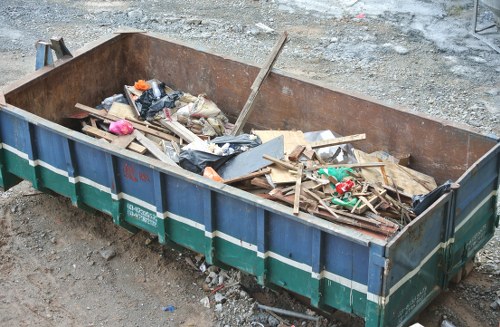 Large Item Collection and our bulky item collection teams are committed to eliminating any form of modern slavery, human trafficking or forced labour across our operations and supply chain. We operate a zero-tolerance policy toward exploitation, and we expect every partner involved in bulk item collection, large-item collection or collection of large items to adhere to the same high standards. This statement sets out our approach to preventing modern slavery in the transportation, handling and disposal of large goods.
We recognise that the nature of bulky goods collection brings specific risks related to casual labour, subcontracted crews and multi-tiered supply chains. We require clear contractual assurances that all workers are employed lawfully, receive fair pay and work under safe conditions. Our large-item collection practices include mandatory worker protections, and we will not engage with suppliers who fail to meet these baseline requirements.
Supplier Expectations and Onboarding
 During onboarding and contract renewal for large furniture collection, mattress pickup and other heavy goods services, suppliers must complete compliance declarations and provide documentation demonstrating labour rights compliance. We perform due diligence checks on recruitment practices, working hours and wage records for companies providing bulky item collection services. Any suspicion of human rights abuses triggers immediate suspension of contracts pending investigation.
Supplier Audits and Monitoring
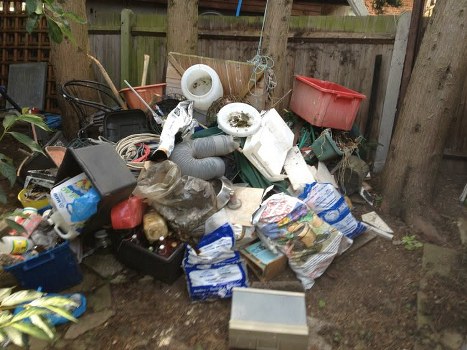 We maintain an active audit program for our large-item collection vendors. Audits are a mix of scheduled and unannounced inspections covering workplace conditions, payroll verification and subcontractor management. Suppliers are scored and required to implement corrective action plans where deficiencies are found. Repeat or serious breaches result in contract termination. We also use data from route monitoring, CCTV and third-party verifications to ensure compliance across the heavy-item collection network.
 Our procurement and compliance teams work together to identify high-risk suppliers and regions. For bulky item pickup operations, we prioritise audits for contractors that use temporary labour, operate via multiple subcontractors, or source labour through third-party recruiters. Training is provided for procurement staff to recognise indicators of modern slavery during vendor assessments and site visits.
Reporting Channels and Whistleblowing
 We provide multiple, confidential reporting channels for employees, contractors and members of the public to raise concerns about modern slavery in our bulky goods collection workflows. Reports can be submitted anonymously through internal hotlines, third-party whistleblower services and secure written submissions. All reports are taken seriously, assessed promptly and investigated by our dedicated human rights team. We guarantee protection from retaliation for whistleblowers acting in good faith.
Remediation and Partnership
Where modern slavery risks or incidents are identified in the collection of large items or the larger bulky item collection supply chain, we commit to immediate remediation for affected workers, including restitution where appropriate. We engage with suppliers, NGOs and enforcement bodies to ensure effective remedies and to strengthen systemic prevention measures.
Governance, Training and Continuous Improvement
Our board and senior management oversee modern slavery risk within our large-item collection services. We provide regular training for staff and contractors on recognising and responding to exploitation. Supplier performance is reviewed regularly, and expectations are embedded into contracts and procurement scorecards. We also promote ethical recruitment practices across the bulky furniture collection sector.
Annual Review and Reporting
We conduct an annual review of our policies and performance on modern slavery prevention for large-item collection activities. This review examines audit outcomes, incident reports, remediation actions and training effectiveness. Findings drive policy updates, improved supplier due diligence and enhanced monitoring. We publish an annual summary of progress and will continuously refine our actions to ensure that large-item and bulky item collection are free from forced labour and exploitation.
By maintaining strong governance, supplier audits, clear reporting channels and a continual review process, we reaffirm our zero-tolerance stance and our commitment to ethical, responsible large-item collection practices across the entire supply chain.