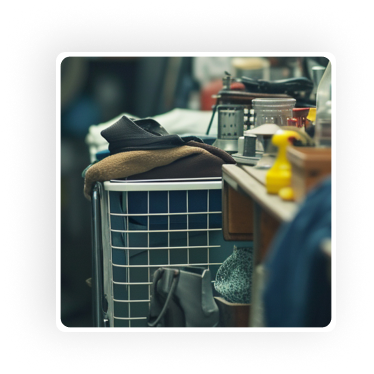
Prepare kerbside rubbish: checklist for a smooth collection
Putting rubbish out for collection sounds simple, until the bins are overflowing, a mattress is blocking the path, or the crew cannot safely access what you left behind. A little preparation makes a big difference. This guide on how to prepare kerbside rubbish for a smooth collection gives you a practical checklist, common pitfalls to avoid, and the best way to line up your waste so collection day runs without fuss.
Whether you are clearing bulky household items, arranging a one-off bulky waste collection, dealing with mixed household rubbish, or comparing your options with council waste collection, the same basic principles apply: sort properly, place items accessibly, and follow the instructions you were given. That is the difference between a smooth pickup and a missed one.
Expert summary: the best kerbside setup is tidy, clearly separated, easy to lift, and safe for people passing by. If a collection team can identify, reach, and remove the waste quickly, you have already solved most of the problem.
Why Prepare kerbside rubbish: checklist for a smooth collection Matters
Kerbside collection is efficient only when the waste is presented in the way the collector expects. Miss that part and the day can unravel fast: items may be left behind, the driver may refuse unsafe loads, or a council team may mark the collection as incomplete. That means delay, extra effort, and sometimes an extra charge.
There is also a practical reason beyond convenience. Loose, broken, or badly stacked rubbish can create hazards for neighbours, pedestrians, and collection crews. A cardboard box that gets wet and collapses across the pavement is more than untidy; it can become a slip or trip issue. Heavy items left in the wrong place can make lifting awkward, and awkward lifting is exactly where injuries happen.
If you are using a private waste service, the expectations are usually even more specific. For example, a service such as rubbish removal or waste removal often relies on clear access, grouped waste, and a correct description of what is being collected. Good preparation helps the team finish faster and keeps your quote accurate.
There is another angle people sometimes overlook: recycling quality. Mixed, contaminated, or soggy waste is harder to sort later. A neat kerbside presentation improves the chances that reusable or recyclable material can be handled properly, especially if you are already thinking about responsible disposal and recycling and sustainability.
Small preparation at the kerbside saves time, reduces risk, and helps the collection do what it was meant to do: take the waste away cleanly and efficiently.
How Prepare kerbside rubbish: checklist for a smooth collection Works
Kerbside collections are usually straightforward. You place eligible waste at the agreed pickup point, on the right day and at the right time, and the collection team removes it. Simple in theory. In practice, the success of the pickup depends on three things: eligibility, access, and presentation.
1. Eligibility
Not every item qualifies for every service. Some services accept mixed household rubbish, while others focus on specific waste streams like mattresses, sofas, fridges, or white goods. If you are unsure whether your load suits a large item collection or a more general waste collection, check the service description before you set anything out.
2. Access
The crew needs a clear route from the vehicle to your waste. That means no parked cars blocking the kerb, no locked gates without prior arrangement, and no items hidden in a stairwell or basement unless the provider has agreed to collect from inside. Services such as flat clearance and home clearance may involve more access planning than a simple kerbside pickup.
3. Presentation
Items should be grouped sensibly, kept stable, and placed where they can be lifted safely. Loose nails, sharp edges, leaking liquids, or overfilled bags can all slow down the job. Even a modest amount of sorting before collection can make a noticeable difference.
The collection process itself varies by provider and locality. Council collections may have size limits, booking windows, and rules about where to leave items. Private collectors often offer broader flexibility, especially for bulky waste collection or mixed property clearances. In both cases, a prepared kerbside load makes the process calmer for everyone involved.
Key Benefits and Practical Advantages
Prepared kerbside waste is not just neater. It brings genuine benefits that show up on collection day and after it.
- Fewer missed collections: items are easier for crews to identify and remove.
- Lower risk of damage: stable piles are less likely to topple, split, or spill.
- Better time efficiency: the crew spends less time sorting and more time loading.
- Cleaner streets and communal areas: tidy placement reduces mess and complaints.
- Improved recycling outcomes: correctly separated waste is easier to route responsibly.
- Less stress for you: there is no last-minute panic when the vehicle arrives.
For households clearing out a room, or for anyone arranging a one-off item such as a bed, sofa, or fridge, preparation often means the difference between a job that feels chaotic and one that feels under control. If you have ever tried to drag a stubborn armchair across a hallway at the last second, you will know the value of planning ahead. Truth be told, nobody wants that performance twice.
For larger jobs, the practical advantages are even clearer. A clear layout helps you estimate whether you need a service for furniture disposal, mattress disposal, or a broader waste disposal solution. That makes it easier to compare costs and avoid paying for the wrong service.
Who This Is For and When It Makes Sense
This checklist is useful for almost anyone preparing household waste for collection, but it is especially relevant in a few common situations.
Homeowners and tenants
If you are decluttering before a move, replacing old furniture, or clearing a garden shed, kerbside preparation helps you keep the job manageable. It is also useful if you are working around limited vehicle access or narrow streets.
Flat residents
People in flats often need to plan more carefully because lifts, shared hallways, and communal entrances can complicate access. A service like flat clearance may be the right fit if items cannot be taken directly to the kerb safely.
Landlords and letting agents
When tenants leave behind rubbish, a structured approach prevents the classic end-of-tenancy scramble. You may need a mix of household waste collection and room clearance, especially where furniture has been abandoned.
Small businesses
Offices, shops, and workspaces often generate mixed waste that should not be left loosely outside. If you are moving stock, furniture, or office equipment, business waste removal or office clearance may be more appropriate than a general kerbside drop.
Anyone with a bulky item booking
If you are using a council booking or a private collection for larger pieces, the same logic applies. A mattress, fridge, or sofa left badly positioned is harder to collect, more likely to be delayed, and more awkward to handle safely. For those items, specific services such as mattress collection, sofa collection, or fridge disposal can be more efficient than a generic booking.
Step-by-Step Guidance
Here is a practical workflow you can follow the day before and the morning of collection.
Step 1: Confirm what is being collected
Start by listing each item. Be specific. "Old furniture" is too vague; "two dining chairs, one three-seat sofa, one broken desk, four black bags of mixed rubbish" is useful. The more precise your list, the easier it is to match the right service and estimate the vehicle space required.
If you are arranging a specialist collection, check whether the item belongs to a dedicated page such as bed disposal, sofa removal, or white goods recycle. That matters because different items can have different handling and recycling routes.
Step 2: Separate waste by type
Group similar materials together where possible. Put cardboard in one stack, garden waste in another, and heavy items separately from lighter bags. This is not about creating a perfect recycling lesson in your hallway. It is about making the load easier to handle and less likely to be rejected.
Step 3: Remove anything that makes handling unsafe
Take out liquids, loose batteries, sharp tools, and anything leaking. Close lids. Tie bags. Tape drawers shut if they slide open. If a piece of furniture has broken glass, splinters, or protruding fixings, secure those edges first.
Step 4: Flatten, nest, or dismantle where sensible
Cardboard boxes should usually be flattened. Small pieces can often be nested inside larger ones. Some furniture can be taken apart to make it safer and easier to move. If you are preparing a bed frame or mattress set, check the service rules, because some providers prefer items to remain assembled for identification and handling.
Step 5: Choose the correct kerbside point
Place everything as close as possible to the agreed pickup point without blocking traffic, driveways, or pedestrian access. If your street has no obvious kerbside space, communicate that in advance. For some addresses, especially in busy neighbourhoods such as Camden, Westminster, or Shoreditch, access planning matters more than people expect.
Step 6: Keep items visible and stable
Do not tuck rubbish behind parked cars or under a cover unless the collector has agreed. Keep stacks upright and balanced. If it is windy or wet, heavier items should go low and lighter items should be secured on top only if they will not blow away.
Step 7: Leave instructions if needed
If the crew has a gate code, a note about access, or a warning about a fragile path, make sure that information is available in advance. A quick message can prevent a long wait outside a front door.
Step 8: Do one final walk-around
Check for small items that are easy to miss: loose screws, odd bits of packaging, broken plant pots, or a rogue cushion hiding behind the bin. These are the things that turn a tidy plan into a cluttered mess.
Expert Tips for Better Results
Over time, a few habits consistently make collection day smoother. These are the little things experienced waste teams notice straight away.
- Book with the item list in mind. If you know the waste includes one fridge, one mattress, and several bags, book accordingly rather than describing it as "a few bits."
- Use one staging area indoors first. Gather everything in one place before moving it outside. That avoids scattered pile-ups and forgotten items.
- Separate reusable items early. Good-quality furniture, tools, or household goods may be better handled through reuse or donation if they are still usable.
- Keep wet waste apart. Garden cuttings, food waste, and damp cardboard can quickly spoil a load and make it heavier than expected.
- Think about lifting paths. Measure tight corners, shared stairwells, and door widths before you commit to a bulky-item plan.
- Be realistic about weight. A bag that feels manageable in the kitchen can be miserable at the kerb when you have six of them.
For bigger clear-outs, especially if you are dealing with a garage, loft, or shed, it may be worth using a service designed for the size of the job, such as garage clearance, loft clearance, or garden clearance. That is often more efficient than trying to make a bulky pile behave like normal household rubbish.
If you want confidence on pricing and what is included, a transparent provider page such as pricing and quotes helps you compare without guesswork. And if payment security matters to you, it should, then payment and security is worth checking before you confirm anything.
Common Mistakes to Avoid
Most collection problems come from a handful of avoidable mistakes. None of them are dramatic on their own, but together they create the sort of collection day that feels oddly difficult for no good reason.
Leaving everything until the last minute
The biggest mistake is timing. If the collection is early and you start sorting after dinner the night before, you are more likely to miss items, leave loose clutter behind, or place something in the wrong category.
Mixing prohibited items with general rubbish
Batteries, chemicals, paint, gas cylinders, and some electrical items need special handling. Do not sneak them into a general pile and hope for the best. If in doubt, check the relevant collection rules or use the correct specialist route.
Blocking access
It sounds obvious, but cars, bins, bikes, and low-hanging branches block more collections than people expect. A clear path to the kerb is not a luxury. It is the job.
Overloading bags and boxes
Overfilled bags split. Overpacked boxes collapse. Both create mess, waste time, and increase the risk of injury.
Assuming every service accepts everything
A council booking may differ from a private collection, and a general rubbish service may not be the right fit for specialist waste like fridges or white goods. Matching the item to the correct service is essential. For example, a fridge is usually better handled through white goods recycle or fridge disposal, not a random mixed load.
Ignoring weather
Rain makes cardboard weak, bags slippery, and labels hard to read. If you can, keep vulnerable materials covered until collection time, but only in a way that does not block access or conceal what needs to be removed.
Tools, Resources and Recommendations
You do not need much to prepare kerbside rubbish properly, but a few simple tools make a job far easier.
- Heavy-duty refuse sacks: useful for mixed waste and tougher items.
- Marker pen and labels: handy when separating items for different rooms or services.
- Packaging tape: useful for securing drawers, lids, or loose parts.
- Gloves: a sensible basic precaution for lifting and sorting.
- Foldable trolley or sack truck: helpful for heavy or awkward pieces, if you can use one safely.
- Measuring tape: essential when moving bulky items through tight spaces.
For residents and businesses in the capital, it can also help to understand the area-specific service pages if you are dealing with a more localised pickup. The site covers many London locations, including London as well as neighbourhood pages such as Battersea, Fulham, Wandsworth, Hammersmith, and Wimbledon.
If the collection is part of a wider clear-out, it may be more efficient to use a fuller-service option such as rubbish clearance or waste clearance. Those are often better suited to mixed, multi-item jobs than a single kerbside pile.
Law, Compliance, Standards, or Best Practice
Collection rules vary by council and provider, so it is wise to check local requirements before you put anything out. That is especially true for kerbside waste, where the difference between accepted and rejected items can come down to a small detail such as bag size, booking reference, or collection window.
As a general UK best practice, waste should be:
- presented safely and without obstruction;
- segregated where required;
- kept out of the way of pedestrians and vehicles;
- free from hazardous contamination unless specifically accepted;
- described honestly to the collector.
If you are using a professional service, a few trust signals are worth checking. A credible operator should be able to point you to information on health and safety and insurance and safety. Those pages are useful because they show how the provider handles risk, staff welfare, and safe working practices.
You may also want to review service terms and customer support pages before booking. The relevant pages for terms and conditions, complaints procedure, and contact us can help you understand what happens if access changes, an item is misdescribed, or the booking needs amending.
Finally, if recycling outcomes matter to you, look for a provider that explains its approach clearly. That is where recycling and sustainability is especially relevant, because a well-prepared load gives the collection team a better chance of routing items responsibly.
Options, Methods, or Comparison Table
Not every waste job should be handled the same way. Here is a practical comparison of common options.
| Method | Best for | Strengths | Limitations |
|---|---|---|---|
| Council collection | Standard household rubbish, booked large items | Simple, often cost-effective, familiar process | May have waiting times, item limits, and strict rules |
| Private kerbside pickup | Mixed waste, awkward access, flexible timing | More adaptable, can handle varied loads | Needs clear item descriptions and accurate access details |
| Specialist item service | Mattresses, sofas, fridges, beds, white goods | Designed for specific items, often easier to process | Not suitable for all waste types |
| Full property clearance | Flats, houses, garages, lofts, offices | Best for larger jobs and multiple rooms | More involved than a simple kerbside set-out |
If you only have a few bags and one or two bulky pieces, a general pickup may be enough. If you are dealing with several rooms or a lot of furniture, the better route may be a house clearance or furniture clearance. Choosing the right method early prevents the usual back-and-forth later.
Case Study or Real-World Example
Consider a fairly typical Saturday morning job: a family is clearing out a spare room before a move. The waste includes two broken bedside tables, one old mattress, three bin bags of mixed rubbish, flattened cardboard from new furniture, and a small set of garden trimmings from the balcony.
At first, the items are scattered between the bedroom, hallway, and communal entrance. The collection would likely have been slow and awkward. Instead, they create a staging area in the room, separate the items by type, flatten the cardboard, tape the drawers shut on the tables, and move everything in one controlled run to the agreed kerbside point.
They also check the access route beforehand. One parked car is close to the kerb, so they arrange to leave the items a few metres further along where the vehicle can stop more easily. Because the mattress and furniture are together, the crew can load them efficiently, and the mixed waste does not spill out of damaged bags.
The result is not glamorous, but it is effective: a quicker collection, less stress, and no last-minute reshuffling in the rain. That is usually what "smooth" looks like in the real world.
Practical Checklist
Use this checklist the day before collection and again just before the team arrives.
- Confirm the collection date, time, and pickup point.
- List every item and check it fits the booked service.
- Separate bags, recyclables, bulky items, and specialist waste.
- Remove liquids, batteries, sharps, and hazardous materials.
- Flatten cardboard and secure loose parts.
- Tape or tie items that could open during lifting.
- Keep walkways, driveways, and pavements clear.
- Place the waste where it is visible and easy to access.
- Protect items from rain only if it does not block access.
- Double-check you have not left anything inside drawers or boxes.
- Keep your booking reference or contact details ready.
- If anything changes, notify the provider as early as possible.
This is the shortest possible version of the process, and it works remarkably well. If the answer to any step is "not sure," pause and clarify before collection time.
Conclusion
Preparing kerbside rubbish properly is less about perfection and more about removing friction. When waste is grouped clearly, placed safely, and matched to the right service, collection day becomes predictable. That predictability is valuable whether you are clearing one item or an entire room.
The real advantage is simple: fewer delays, less mess, and a safer job for everyone involved. A small amount of planning can prevent a lot of hassle, especially with bulky items or mixed loads. If you keep the checklist in mind, your collection is much more likely to go exactly as planned.
If you are still deciding between council and private options, or you want a more tailored service for furniture, mattresses, white goods, or a full property clear-out, take a moment to review the relevant service page and compare what fits your situation best.
Get a free quote today and see how much you can save.
Frequently Asked Questions
What is the best way to prepare rubbish for kerbside collection?
Sort the waste, remove anything hazardous, keep items stable, and place them at the agreed pickup point with clear access. If possible, group similar items together so the crew can load them efficiently.
Can I leave mixed waste outside if it is in bags?
Usually yes, if the service accepts mixed rubbish and the bags are sealed, manageable, and not overfilled. Keep in mind that some providers have limits on weight, item type, or number of bags.
Do I need to separate recycling from general rubbish?
In most cases, yes. Separating recyclable materials improves handling and helps avoid contamination. It also supports better recycling outcomes, which is especially relevant if you are aiming for a more responsible disposal route.
What items are usually not suitable for kerbside collection?
Hazardous materials, loose chemicals, gas cylinders, some batteries, and certain liquids are often excluded. Check the service rules before putting anything out, especially if you are unsure about electrical items or sharp objects.
How early should I put the rubbish outside?
Follow the collection window given by your provider or council. In general, avoid placing waste out too far in advance, especially if weather, passers-by, or local rules could create problems before pickup.
What should I do with a mattress or sofa?
Use the relevant service if available, such as mattress collection or sofa collection. Bulky pieces are easier to manage when booked as the right type of item rather than added to general rubbish.
Will the collection team take items from inside my home?
Not always. Some services only collect from the kerbside, while others can handle internal clearance if that has been agreed in advance. If access is tight, a clearance service may be more suitable than a standard pickup.
How can I avoid a missed collection?
Provide accurate details, keep the access route clear, place items where they can be seen, and match the waste to the booked service. Most missed collections happen because of access issues, wrong item types, or incomplete booking information.
Is kerbside preparation different for business waste?
Yes, it often is. Business waste may require more careful sorting, additional documentation, or a service tailored to commercial needs. If that sounds like your situation, a dedicated business waste removal option may be more appropriate.
What if the rubbish is too bulky to move safely on my own?
Do not force it. Use a service designed for larger pieces, such as bulky waste or clearance support, and be honest about the size and weight during booking. Unsafe lifting creates more problems than it solves.
Does a neat kerbside setup really make a difference?
Absolutely. It helps the collection team identify items quickly, reduces handling time, and lowers the chance of damage or rejection. A tidy set-out is one of the simplest ways to improve the whole experience.
Where can I check if a provider is trustworthy?
Look for clear information on safety, insurance, terms, payments, and sustainability. Pages such as about us, insurance and safety, and payment and security are good places to start.