Quick steps to separate recyclable rubbish before disposal
Sorting recycling doesn't need to feel like a domestic science exam. In most homes, the real problem is not effort, it's speed: bottles in one hand, cardboard in the other, a takeaway tub still half full, and somewhere in the background a crate of old packaging that should have been dealt with last Tuesday. If you want the quick steps to separate recyclable rubbish before disposal, the good news is that a simple routine can make the whole job cleaner, faster, and far less annoying.
This guide walks through a practical, no-nonsense way to split recyclable items from general rubbish before they go out. You'll see what to separate, why it matters, how to avoid contamination, and what to do when you're dealing with awkward household waste. There's also a checklist, a comparison table, and a few expert habits that save time in real life. Truth be told, once you get the rhythm, it becomes almost automatic.
Table of Contents
- Why separating recyclable rubbish matters
- How the separation process works
- Key benefits and practical advantages
- Who this is for and when it makes sense
- Step-by-step guidance
- Expert tips for better results
- Common mistakes to avoid
- Tools, resources and recommendations
- Law, compliance, standards, or best practice
- Options, methods, or comparison table
- Case study or real-world example
- Practical checklist
- Conclusion
- Frequently asked questions
Why Quick steps to separate recyclable rubbish before disposal Matters
At first glance, separating rubbish seems obvious. Paper with paper, plastic with plastic, food waste out of the way. Yet in practice, small mistakes can send whole bags into the wrong stream. A greasy pizza box, a coffee cup with liquid still in it, or a food-soiled tray can ruin an otherwise decent recycling load. That's the bit people miss.
Sorting properly matters for three simple reasons. First, it improves the chance that recyclable materials stay recyclable. Second, it helps avoid rejected collections or extra handling later on. Third, it makes your own bins less unpleasant. Nobody enjoys opening a recycling caddy and getting hit by that warm, sour smell from last night's leftovers. Let's face it, that's nobody's idea of a good time.
There's also a broader practical point. Homes, landlords, offices, and builders all generate mixed waste. If recyclable materials are separated early, the rest of the disposal process becomes simpler. That usually means less lifting, less sorting at the last minute, and fewer items that end up in the general rubbish by accident.
For households in busy parts of London, where collection schedules and storage space can be tight, the value is even clearer. A small kitchen or flat hallway can fill up fast. Keeping recyclables separate from day one stops clutter from taking over.
How Quick steps to separate recyclable rubbish before disposal Works
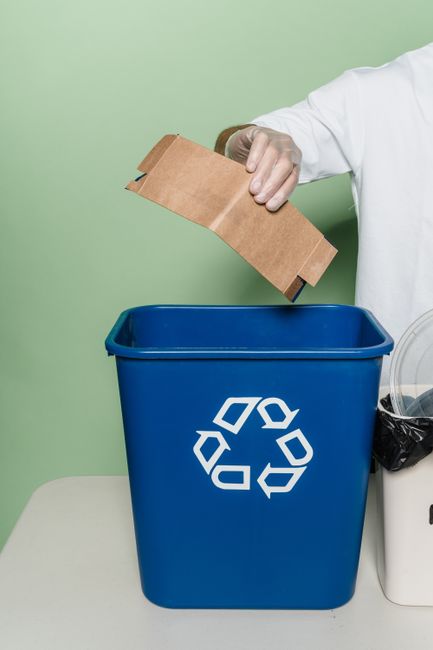
The process is not complicated, but it does work best when you treat it like a quick system rather than a one-off chore. The basic idea is to identify material type, remove contamination, flatten where possible, and place each item in the right container or bag.
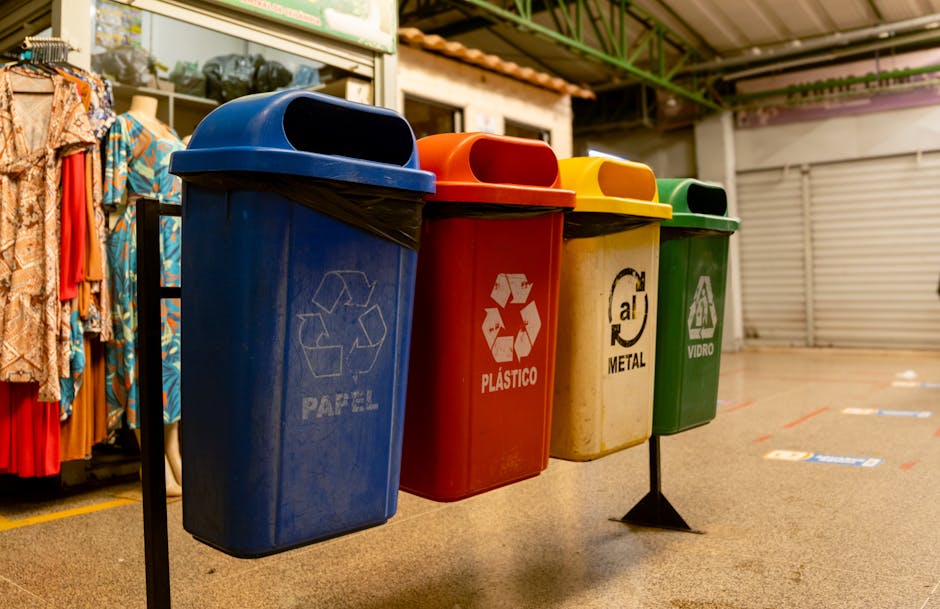
Most recyclable household items fall into a few familiar groups:
- Paper and card such as newspapers, envelopes, cardboard boxes, and flattened packaging
- Glass such as bottles and jars
- Plastics such as bottles, tubs, trays, and some containers, depending on local acceptance
- Metals such as tins, cans, and foil where accepted
- Electricals and specialist items such as fridges, mattresses, or bulky white goods, which usually need separate handling
The key is to keep clean recyclables clean. A single greasy container does not automatically ruin everything, but if the whole pile is coated in food residue, the batch becomes much harder to process properly. That's why a quick rinse or wipe can make a real difference.
In homes with limited space, many people set up a simple two- or three-bag system: one for recycling, one for general waste, and one for items that need special disposal. It sounds almost too basic, but it works. You'll notice the benefit on the first busy Sunday when you're trying to clear the kitchen before the bin lorry arrives.
Key Benefits and Practical Advantages
Separation before disposal gives you more than a neat-looking bin area. It helps in a few practical ways that are easy to feel in day-to-day life.
- Less contamination: clean recyclables are more likely to remain useful after collection
- Faster bin day: when items are already sorted, you are not standing there at the kerbside deciding what goes where
- Better odour control: food scraps removed early reduce smells and pests
- More space at home: flattening cardboard and separating bulky packaging frees up room
- Fewer mistakes: a routine lowers the odds of throwing useful material into residual waste
- Better support for larger clearances: if you are disposing of furniture, appliances, or mixed household contents, pre-sorting saves time and effort
There is also a quiet financial upside. When you prepare waste properly, you often make collection or clearance work smoother. That doesn't mean every job becomes cheaper, but it can reduce unnecessary handling and awkward delays. If you're comparing services, reading a fair quote matters too; a useful starting point is what a fair rubbish removal quote should include.
And yes, people do often underestimate cardboard. It spreads, it catches on corners, and somehow it multiplies in the hallway overnight. A quick flattening session stops that small domestic chaos before it starts.
Who This Is For and When It Makes Sense
These quick steps are useful for almost anyone, but they are especially helpful if you regularly deal with mixed household waste or limited storage.
- Busy households: families and flatshares where waste builds up quickly
- People moving home: packing materials, broken items, and old household clutter pile up fast
- Landlords and tenants: end-of-tenancy clear-outs often produce mixed rubbish that needs sorting
- Small businesses: offices and shops generate packaging, paper, and occasional bulky waste
- Anyone with bulky items: furniture, appliances, mattresses, and clearance waste need more than a standard bin solution
It also makes sense whenever you are short on time. That's the point of the "quick" part. You do not need a perfect recycling system to make a meaningful improvement. You just need a repeatable routine that stops obvious mistakes. Good enough, done consistently, beats perfect for one day and messy the next.
If your rubbish includes more than standard household items, a broader clearance approach may help. For larger loads, a service such as rubbish clearance or waste collection can be more practical than trying to handle everything yourself in one go.
Step-by-Step Guidance
If you want a simple system, use this sequence. It's fast enough for a weekday evening and solid enough to reduce mistakes.
1. Empty waste into a clean sorting space
Start on the kitchen floor, utility room, balcony, or another wipeable surface. Having everything in front of you lets you see what you're actually dealing with. A lot of "recycling" problems happen because people sort blind while holding a half-open bin bag. Not ideal.
2. Split recyclables from general rubbish first
Before worrying about categories, separate obvious non-recyclables: food waste, tissues, hygiene products, broken ceramics, and anything contaminated beyond a quick clean. Then pull out the clean, potentially recyclable items.
3. Remove food and liquid residue
Rinse bottles, jars, and food containers where needed. A quick wipe is often enough for light residue. You do not need to make everything sparkle. The goal is simply to avoid sticky residue that can spoil a batch.
4. Flatten cardboard and squash containers
Flatten boxes, fold cartons, and reduce air where possible. This saves space in bins and bags. In a small flat, it can mean the difference between a tidy corner and a tower of packaging threatening to tip over every time someone opens the door.
5. Keep materials grouped by type
Place paper and card together, metals together, glass together, and plastics together if your local collection accepts them in that format. If your area uses mixed recycling, keep the mix clean and dry.
6. Separate special items
Anything that falls outside standard household recycling needs a separate plan. That includes electronics, white goods, mattresses, furniture, and items with fittings that may need specialist handling. For example, appliances such as fridges and freezers often require more careful collection and processing; a dedicated route such as fridge disposal may be more suitable.
7. Check local acceptance before bin day
Council rules and collection systems can differ. Some councils accept certain plastics or cartons, others do not. The safest habit is to check what your own collection service takes, then sort accordingly. If you live in an area with council-provided bulky disposal options, pages like council rubbish collection and council waste collection may also help you compare your options.
8. Set up a repeating routine
Once you have sorted a batch, keep the system going. Put a small caddy in the kitchen, a paper bin in the study, and a clearly labelled bag for bulky recyclables. That's the real trick. A routine saves time later.
Expert Tips for Better Results
In practice, the best results come from small habits, not big overhauls. Here are the ones that tend to make the biggest difference.
- Keep a dry recycling area: moisture ruins cardboard quickly and makes sorting more frustrating
- Break boxes down as soon as they arrive: you will save space and avoid a pile-up later
- Store sharp items safely: broken glass, metal lids, and damaged packaging should be handled with care
- Do a five-minute sweep before disposal: this catches food scraps, loose plastic film, and random bits that do not belong
- Use clear containers where possible: seeing what's inside reduces accidental contamination
A useful rule of thumb: if you are hesitating over an item, ask whether it is clean, dry, and accepted by your local system. If the answer is no to any of those, treat it as a separate item until you know more. It saves mistakes.
For larger home clearances, it can help to sort by stream as you go. Furniture, white goods, cardboard, and residual rubbish do not mix well in one heap. Services such as furniture clearance and white goods recycle can be practical when you are dealing with mixed bulky waste, not just ordinary bin waste.
One more thing. Do not save every "maybe recyclable" item in a mystery bag and promise to deal with it later. That bag grows legs. It always does.
Common Mistakes to Avoid
Most sorting problems come from the same few slip-ups. Avoiding these will do more for your recycling than buying fancy bins ever will.
- Putting food-stained packaging straight into recycling: a little residue may be acceptable, but heavy contamination causes problems
- Recycling plastic film without checking: many thin films are not accepted in standard collections
- Leaving lids on containers without checking local guidance: some councils prefer them removed, others do not
- Mixing general waste into recyclable bags: one non-recyclable item can turn into several by mistake
- Ignoring bulky items: furniture and appliances need their own plan, not just a bigger bin bag
- Assuming all councils accept the same materials: they do not
One mistake that catches people out is over-washing. It sounds odd, but people sometimes spend ages rinsing packaging that was never recyclable in the first place. Better to sort first, then clean the items that are actually worth cleaning. Time matters.
Tools, Resources and Recommendations
You do not need much equipment to do this properly, but a few simple tools make the process easier.
- Two or three labelled bins: recycling, general waste, and special items
- Reusable sorting crate or tote: handy for carrying items to the final disposal point
- Scissors or a box cutter: useful for breaking down tape-heavy packaging
- Gloves: especially useful when handling dusty cardboard, sharp edges, or mixed waste
- Cleaning cloth or quick rinse setup: for containers with residue
- Marker labels: helps everyone in the household follow the same system
If you are preparing for a larger disposal job, consider using services that match the waste type. Household clearing may point you toward house clearance, loft or garage clean-outs may suit loft clearance or garage clearance, and mixed bulk waste may fit bulk waste collection. Choosing the right route usually makes the process calmer from the start.
If you are trying to be more environmentally careful at home, the broader guidance on recycling and sustainability can help you build habits that last beyond one bin day.
Law, Compliance, Standards, or Best Practice
Waste handling in the UK is shaped by local collection rules, landlord expectations, and basic environmental best practice. The exact details can vary, so it is sensible to check the instructions that apply to your home, business, or council area rather than assuming one rule fits all.
For households, the main practical point is simple: do not place waste out in a way that creates litter, nuisance, or contamination. For businesses, the duty is broader. Commercial premises generally need a proper waste arrangement, and that usually means keeping recyclable streams separate where required and using appropriate carriers and documentation when waste is removed.
In other words, think of it as good housekeeping with a legal edge. Not glamorous, but important. If you are managing business premises, a dedicated option like business waste removal may be more appropriate than treating everything as general rubbish.
Where local rules are unclear, the safest approach is to follow the most conservative sorting method: keep items clean, separate obvious recyclables, isolate special waste, and avoid putting questionable material into the recycling stream. That is usually the least troublesome route. If you want a fuller picture of company policies and procedures, the site's health and safety policy and insurance and safety pages may also be useful.
Options, Methods, or Comparison Table
There are a few ways to handle recyclable rubbish before disposal. The best method depends on how much waste you have and how often you produce it.
| Method | Best for | Pros | Trade-offs |
|---|---|---|---|
| Simple home sorting | Small households and routine recycling | Fast, cheap, easy to keep up | Needs regular attention |
| Room-by-room separation | Busy homes, flatshares, larger families | Reduces last-minute bin chaos | Needs labels and discipline |
| Bulk pre-sorting before collection | Moves, clear-outs, seasonal decluttering | Makes disposal more efficient | Can take a full session |
| Specialist collection for awkward items | Furniture, appliances, mattresses, mixed bulky waste | Safer and more practical | Usually needs advance booking |
If you are deciding between a council route and a private collection, think about volume, urgency, and item type. A few boxes of clean cardboard are one thing. A broken sofa, a fridge, and half a shed's worth of clutter are another entirely. For larger items, pages such as large item collection and bulky waste collection may be a better fit.
Case Study or Real-World Example
Here's a simple real-world scenario. A couple in a London flat spent one Sunday clearing a kitchen and storage cupboard before a council collection day. At first, everything was in one heap: cardboard delivery boxes, plastic trays, a broken toaster, glass jars, and a bag of old bits that nobody could identify. Very familiar scene.
They sorted it in under an hour by using four piles: clean recyclables, general waste, special items, and bulky goods. The boxes were flattened immediately. The jars were rinsed. The toaster and other electrical bits were set aside for separate disposal. The general waste shrank fast once packaging, food scraps, and random filler material were removed.
The outcome was simple but useful. The recycling was cleaner, the flat looked less cluttered, and they avoided the usual last-minute panic of trying to decide what could go out with the bins. Small effort, decent result. That is usually how it goes.
For households facing a bigger clear-out, the same approach scales well. It is the same logic used when people prepare before moving home or disposing of mixed household items through services such as home clearance or rubbish removal.
Practical Checklist
Use this quick checklist before you dispose of rubbish:
- Have I separated obvious recyclables from general waste?
- Are bottles, jars, tubs, and tins empty and reasonably clean?
- Have I flattened cardboard and large packaging?
- Have I removed food scraps, tissues, and non-recyclable contamination?
- Do I know which plastics or materials my local collection accepts?
- Have I set aside special items such as electronics, appliances, mattresses, or furniture?
- Are sharp or broken items safely wrapped or stored?
- Have I kept wet waste away from dry recycling?
- Is anything bulky being handled through the right collection route?
- Have I checked whether a council or specialist collection is the better option?
Expert summary: If you want the fastest reliable method, sort by cleanliness first, then by material type, then by disposal route. That order keeps the process simple and prevents the most common errors. It really is that straightforward.
Conclusion
The best way to handle recyclable rubbish is not to overthink it. Start with the simple steps: separate clean items from general waste, remove food residue, flatten cardboard, group materials sensibly, and isolate anything bulky or specialist. Once you do that a few times, it becomes second nature.
In practice, the real win is not perfection. It is consistency. A quick routine done every week is far better than one heroic sorting session that leaves everyone fed up by tea time. If you keep your system clean, clear, and easy to repeat, your disposal process becomes less messy and a lot more manageable.
And if the pile is bigger than you expected, or includes awkward items you would rather not wrestle with, that is perfectly normal. Get the right help, keep the sorting sensible, and move on with your day. Small habits save big headaches.
Get a free quote today and see how much you can save.
Frequently Asked Questions
What is the quickest way to separate recyclable rubbish before disposal?
The quickest method is to split waste into three groups first: clean recyclables, general rubbish, and special items. Then flatten cardboard, empty containers, and remove obvious contamination. That gives you a fast system without overcomplicating the job.
Do I need to wash every item before recycling it?
No, not every item needs a full wash. A quick rinse or wipe is usually enough for containers with residue. The goal is to remove food and liquid left behind, not to scrub everything spotless.
Can greasy pizza boxes be recycled?
It depends on how greasy they are and what your local collection accepts. Light grease on a clean, dry box may be acceptable in some places, but heavily soiled cardboard is usually better placed in general waste. If in doubt, separate the clean part from the dirty part.
Should lids stay on bottles and jars?
That can vary by collection system. Some areas ask for lids left on, others prefer them removed. The safest habit is to follow your local guidance rather than guessing. It saves faff later.
What should I do with items that are not clearly recyclable?
Set them aside and treat them as special items until you know what they are. Do not throw them into recycling just because they look vaguely plastic. If it's uncertain, it's better to pause than contaminate the whole batch.
How do I deal with bulky recyclable rubbish like furniture or appliances?
Bulky items usually need a separate disposal route. Furniture, fridges, and other white goods may require dedicated collection or specialist handling. Services such as furniture clearance or fridge disposal are often more practical than standard bin disposal.
Is it worth sorting recycling if my council collection is mixed?
Yes. Even mixed recycling works better when it is clean and well prepared. Sorting still helps reduce contamination, smells, and confusion. You may not need to separate every material into separate bags, but you should still keep recyclables clean and dry.
What are the most common recycling mistakes people make?
The big ones are putting in food-soiled packaging, mixing general rubbish with recyclables, ignoring local collection rules, and forgetting that bulky or electrical items need special handling. Those mistakes are easy to make, which is why a simple checklist helps.
How often should I sort recyclable rubbish?
Ideally, you should do a quick sort as waste is produced, then do a final check before bin day. That approach keeps the job small and avoids one giant, annoying sorting session. Weekly works well for many homes.
What if I live in a flat with very little space?
Use compact, labelled containers and flatten packaging immediately. In small spaces, consistency matters more than container size. A narrow caddy for recycling and a separate bag for residual waste is often enough.
Do businesses need to follow different recycling rules?
Often, yes. Businesses usually have additional responsibilities around waste handling and segregation, depending on the type of waste and their arrangements. If you run a workplace, a commercial service such as business waste removal is often more suitable than household disposal methods.
What is the best first step if I want to improve recycling at home?
Start by creating a simple sorting station near the main source of waste, usually the kitchen. Label it clearly, keep it dry, and make sure everyone in the household understands the basics. Once the system is easy to use, people actually stick with it.