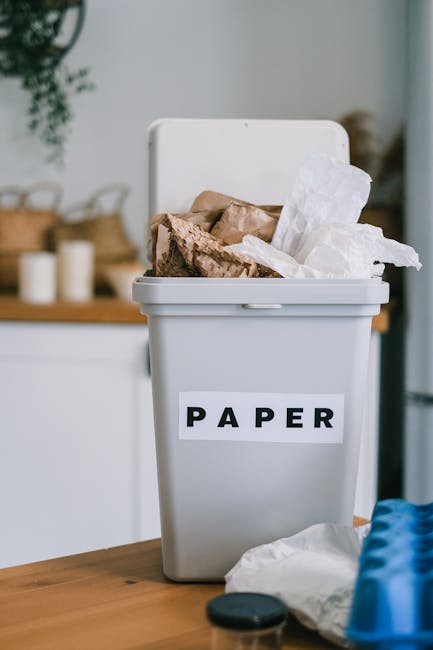
What to know about preparing household rubbish for kerbside collection
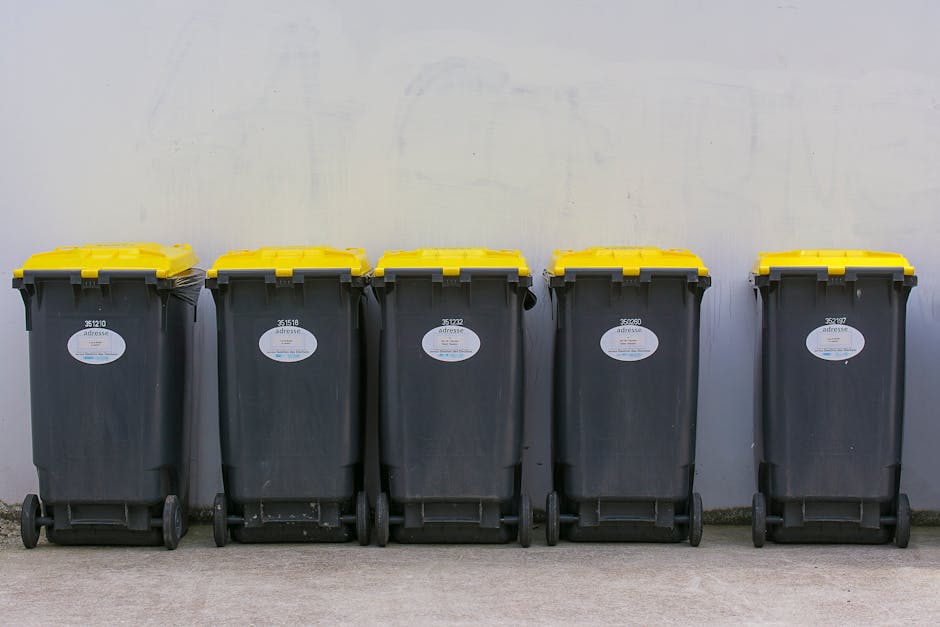
If you have ever stood by the front gate on collection day, bag in hand, wondering whether the bin lid will shut, you are not alone. Preparing household rubbish for kerbside collection sounds simple enough, but the small details matter more than most people expect. A loose bag, the wrong item in the wrong bin, or a missed collection time can turn a tidy routine into a messy one very quickly.
This guide explains what to know about preparing household rubbish for kerbside collection in plain English. You will learn how the process usually works, what makes rubbish easier to collect safely, where people commonly go wrong, and how to get organised without overthinking it. Truth be told, once you know the basics, it becomes one of those jobs that just runs smoothly.
Why What to know about preparing household rubbish for kerbside collection Matters
At first glance, kerbside rubbish collection is just a weekly or fortnightly household routine. But the way you prepare waste before it reaches the kerb affects much more than convenience. It influences whether collections run smoothly, whether your household stays tidy, and whether items are handled safely by the crew.
When rubbish is poorly prepared, bags split, spills happen, and bins can be left behind. Wet waste can leak. Sharp items can injure someone. Overfilled containers can be awkward to lift and may not be collected at all. None of that is ideal when everyone is trying to keep the street moving and the pavement clear.
There is also a wider practical side. A good rubbish routine makes it easier to separate general waste from recycling, bulky items, and special disposal streams. That matters if you live in a busy area, share bins in a flat, or have a home that generates a bit more waste than average, such as after a clear-out or a small renovation. In a place like London, where streets can be narrow and collection access is often tight, being organised is not just neat. It is considerate.
Key takeaway: Good kerbside preparation is really about three things: safe handling, reliable collection, and keeping waste in the right place so it does not become a problem for you or anyone else.
And yes, it saves time too. Nobody wants to be the house with the bag torn open by seagulls, foxes, or a gusty morning wind. Let's face it, the street remembers.
How What to know about preparing household rubbish for kerbside collection Works
Kerbside collection is the point where household waste is placed at the edge of your property or at the designated collection point for a crew to pick up. The exact rules vary by council or operator, but the basic idea stays the same: you present waste in a form that can be collected quickly, safely, and without unnecessary sorting on the pavement.
For general household rubbish, that usually means using the correct bin, bag, or container, placing it out on the right day, and avoiding items that should go through recycling, bulky waste services, or specialist disposal routes. If you are unsure, your local collection rules generally determine what goes where. That part is important because not every area uses the same container system.
In practical terms, the process often looks like this:
- Separate general rubbish from recycling and special items.
- Bag loose waste so it is contained and easier to handle.
- Keep the bin lid closed where possible.
- Place the container at the kerbside or collection point by the required time.
- Bring bins back in after collection, if that is part of the local arrangement.
That sounds straightforward, but the details make all the difference. A bagged takeaway carton is one thing; a bag full of broken glass, loose ashes, or half-packed building debris is something else entirely. The crew needs to be able to handle it without risk, and your waste needs to be ready for the journey from your home to the collection vehicle.
One small but useful point: think about what happens when the bag is lifted, tipped, or shaken slightly. If the answer is "it might spill," it probably needs more secure packing.
Key Benefits and Practical Advantages
Preparing rubbish properly is not only about following instructions. It genuinely makes life easier.
- Cleaner collection day: Properly bagged waste is less likely to leak, blow away, or attract pests.
- Fewer missed collections: Bins that are overfilled or contaminated with the wrong items are more likely to be rejected.
- Better safety: Sharps, broken glass, and heavy items are easier to manage when packed sensibly.
- Less odour and mess: Sealed bags and well-lidded bins help keep smells contained, especially in warmer weather.
- More efficient disposal: Waste crews can work faster when they do not have to deal with loose or awkward rubbish.
There is also a psychological benefit, oddly enough. A tidy waste routine removes one of those low-level household annoyances that never seem urgent until they suddenly are. You know the one: bags leaning against the wall, a lid that won't close, and a nagging feeling that you should have sorted it yesterday.
For households that produce different waste streams, good preparation also makes it easier to think clearly about what needs a different route. Furniture, mattresses, fridges, and garden waste are all common examples of items that should not simply be pushed into ordinary kerbside rubbish. If you are dealing with larger items, services such as large item collection or bulky waste collection may be more suitable than waiting for a normal bin day.
Who This Is For and When It Makes Sense
This topic is for almost every household, but some people feel the pain more than others.
If you live in a house with a private bin, you may mainly need to manage general waste, food packaging, and the occasional awkward item. If you live in a flat, especially one with shared bins, the challenge is often more about timing, space, and making sure everyone follows the same rules. One person's loose rubbish bag can become everybody's problem by 8 a.m. on a windy Tuesday.
It is especially useful to understand kerbside preparation if you are:
- moving house and clearing out mixed household waste
- dealing with a seasonal tidy-up or declutter
- managing household rubbish in a shared building
- trying to reduce contamination in mixed waste streams
- sorting waste after a small DIY job or room refresh
- choosing between local council collection and a private waste service
That last point matters. If you only have a couple of normal bags, kerbside collection may be all you need. If you are staring at a garage full of old furniture, broken shelves, and a carpet rolled up in the corner, then ordinary household collection might not be the right tool for the job. In those cases, a service such as house clearance or rubbish clearance may be more efficient and less stressful.
Step-by-Step Guidance
If you want the short version, here it is: sort, secure, store, set out, and return. But the best results come from taking each step seriously.
1. Sort the rubbish before you bag it
Start with a quick sort through the waste. General rubbish should be separated from recycling, food waste where applicable, and anything that needs special handling. This is the moment where you avoid trouble later. A few minutes now can save a rejected bin or a broken bag on collection morning.
As a practical example, a kitchen clear-out might produce soft plastic packaging, cardboard, glass jars, food scraps, and leftover general waste. Not all of that belongs in the same bag. Some items are obvious, some are not. When in doubt, keep anything questionable out of the general rubbish until you can check the correct route.
2. Bag loose waste securely
Use robust bags that can handle the weight and shape of what is inside. Thin or overstuffed bags are a common weak point. They split at the base, especially if there is anything sharp or damp inside. Double-bagging can help for awkward waste, but do not use that as a fix for overfilling.
Keep the bags tied properly. A neat knot may seem minor, but it stops spillage, smell, and mess. Also, if the bag is very heavy, split it into two. Nobody is winning prizes for carrying a heroic bin bag that nearly rips your fingers off.
3. Keep the container clean and usable
If you use a wheeled bin, try to keep the inside reasonably clean. A layer of residue, food waste, or liquid at the bottom makes the whole thing smell worse and can attract pests. A bin liner or bag is not always enough if the rubbish is wet, so drain excess liquid where appropriate and keep food waste separate when local rules allow.
4. Follow the collection schedule carefully
Put your rubbish out by the required time, not just "some time before work." In many households that means the evening before or early on the collection day. If the street is busy, bins may need to be placed in a specific position so they are visible and accessible, but not blocking pavements or driveways.
Collection timing matters more than people think. A bin that appears after the truck has passed is not a tiny mistake. It becomes a whole extra week of waiting, and nobody is thrilled about that.
5. Bring containers back in after collection
Once the rubbish has been collected, return bins or boxes promptly if that is expected locally. Left out on the pavement, they can become an obstruction, especially on narrow streets or where parking is tight. It is one of those small courtesies that keeps neighbours happy and avoids complaints.
6. Check for items that need another disposal route
If you spot anything bulky, hazardous, electrical, or reusable, do not force it into general rubbish. A broken chair, fridge, mattress, or sofa will usually need a different collection or disposal method. For those situations, it is worth looking at options like furniture removal, mattress disposal, or fridge disposal instead of guessing.
Expert Tips for Better Results
A few small habits make kerbside rubbish preparation much smoother. Nothing flashy. Just the things experienced households tend to do without making a song and dance about it.
- Keep a spare roll of strong bags near the main bin so you are not hunting for one on collection night.
- Use a "decision bag" for unclear items. If something needs a second look, put it aside rather than tossing it in automatically.
- Break down cardboard and packaging where local guidance allows, so you do not waste bin space on air.
- Store rubbish out of direct rain if you can. Wet waste is heavier, leakier, and far less pleasant to move.
- Watch for seasonal issues: in summer, smell and flies become more obvious; in winter, bins can freeze to the ground or become slippery.
- Label shared bins where needed in flats or multi-occupancy homes. A small label can prevent a lot of back-and-forth later.
Here is a very practical one: if your household regularly fills the bin too quickly, it may be a sign that the waste stream is not being separated well enough. Many people think they have a "too small bin" problem when, in reality, they have a sorting problem. Slightly annoying? Yes. Fixable? Absolutely.
Another tip: keep an eye on odour in the kitchen. If rubbish smells strong before collection day, the issue is often food residue, damp packaging, or a missing liner. A quick rinse of suitable containers and a better seal can make a bigger difference than people expect.
Common Mistakes to Avoid
Most kerbside collection problems come down to a few repeat mistakes. The good news is they are easy to avoid once you know what to look for.
| Common mistake | Why it causes trouble | Better approach |
|---|---|---|
| Overfilling bags or bins | Containers may split, tip, or be left uncollected | Split waste into smaller loads and close lids properly |
| Mixing the wrong items into general rubbish | Can contaminate recycling or create safety risks | Separate recyclables, sharps, electrical items, and bulky goods |
| Putting waste out too early | Creates mess, obstruction, and pest risk | Follow the permitted time window for your area |
| Using weak bags | Split bags are messy and dangerous to handle | Use strong bags and tie them securely |
| Leaving bins inaccessible | Crews may not be able to collect them safely | Place containers where they can be seen and reached easily |
One especially common issue in flats is the "someone else will deal with it" approach. That rarely ends well. Shared waste areas work best when everyone sticks to the same rules, even if those rules are a bit boring. Boring is fine here. Boring means collected.
Another mistake is assuming all unwanted items count as ordinary household rubbish. They do not. If a piece of waste is awkward, heavy, or likely to damage the regular collection process, it may be better suited to bulk waste collection or another dedicated service.
Tools, Resources and Recommendations
You do not need a lot of kit to prepare household rubbish well, but a few basic tools make the job cleaner and easier.
- Sturdy bin liners or refuse sacks: Choose ones that match the size and weight of the waste.
- Rubber gloves: Handy for broken packaging, sticky waste, and anything a bit unpleasant.
- Indoor caddy or staging box: Useful for sorting items before they go outside.
- Reusable storage tubs: Good for keeping sharp or awkward waste contained until collection day.
- Hand sanitiser and cleaning spray: Simple, but useful after dealing with food waste or spills.
- Local collection notes or calendar reminder: One of the best tools, honestly. Easy to forget otherwise.
For households with a lot of mixed waste, it can also help to understand the difference between regular rubbish services and specialist removal. A general collection is best for normal everyday refuse. A clearance service is more appropriate when waste volume rises, such as after redecorating, downsizing, or clearing a garage. In those situations, a page like waste removal may be more useful than the standard bin route.
If you are trying to keep on top of broader household waste habits, it is worth looking at recycling and sustainability guidance as part of the same routine. Small adjustments at home often make collection day easier and reduce the amount of general rubbish you need to put out in the first place.
Law, Compliance, Standards, or Best Practice
Household rubbish preparation is usually governed by local council rules, collection schedules, and waste presentation requirements. These vary by area, so it is always sensible to follow the guidance that applies to your own address rather than assuming a rule from another borough or county will match.
In practice, best behaviour is fairly consistent even where the exact rules differ. Keep waste contained. Do not block access. Separate recyclable and specialist items. Do not overload containers. Put bins out on time. These are the standards that matter day to day, whether you live in a house, flat, or shared property.
If you are using a private waste contractor, there should also be clear expectations around what can be collected, how items should be presented, and what happens if the load contains restricted materials. Reputable providers generally make that information easy to understand, because no one wants confusion over the kerb on a wet morning.
For heavier-duty clear-outs, it is also sensible to think about safety and handling. Waste should not create unnecessary risk for the people moving it, lifting it, or passing by it. That is why it helps to use services aligned with decent operational standards, such as insurance and safety and health and safety policy information where available. In a real-world sense, that is about more than paperwork. It is about care.
Best practice also means checking for special items before collection day. Fridges, mattresses, sofas, and white goods are common examples of household objects that should be handled separately. If you are unsure, separate them first and decide later. That is nearly always better than forcing them into the wrong stream.
Options, Methods, or Comparison Table
There is more than one way to deal with household rubbish, and the right choice depends on what you have, how much of it there is, and how quickly it needs removing.
| Method | Best for | Pros | Limitations |
|---|---|---|---|
| Kerbside household collection | Everyday general rubbish | Simple, familiar, usually low effort | Strictly limited by local rules and bin capacity |
| Bulky waste collection | Large items and awkward household objects | Better for furniture, mattresses, and bulky loads | May need booking and separate preparation |
| Full rubbish clearance | Large mixed waste volumes or whole-room clear-outs | Useful when there is too much for normal bins | Less appropriate for a small amount of waste |
| Specialist item collection | Items like fridges or other white goods | Safer and more appropriate for difficult items | Not a general-purpose solution |
For a few everyday bags, kerbside collection is the obvious route. For a sofa that has seen better days or a mattress that has done its time, a specialist option is usually more sensible. In fact, trying to squeeze the wrong thing into a normal bin often causes more hassle than it saves.
Case Study or Real-World Example
Picture a two-bedroom flat in South London after a long weekend of sorting cupboards. There are a few food packaging bags, a broken kitchen stool, some old paperwork, and a small pile of mixed rubbish in the hallway. Nothing dramatic, but enough to become annoying if ignored.
The household starts by separating paper, glass, and plastic packaging from the general waste. The broken stool is set aside rather than forced into the bin. Old paperwork is checked for anything sensitive and then bagged for disposal. The general rubbish is split into two smaller bags instead of one oversized one. The bags are tied securely and placed out at the correct time, not the night before. Easy enough, really.
The result is boring in the best possible way: no leaks, no last-minute panic, no torn bin bag on the pavement, and no argument about who forgot to wheel the bin back in. The stool is later dealt with through a more suitable route, rather than becoming a kerbside headache.
That is the pattern worth copying. Most successful waste routines are not clever. They are just consistent.
Practical Checklist
Use this checklist before collection day. It is simple, but it catches most of the avoidable problems.
- Have I separated general rubbish from recycling and specialist items?
- Are all bags tied securely and not overfilled?
- Is anything sharp, heavy, or breakable packed safely?
- Does the bin lid close properly?
- Have I checked the collection day and time for my address?
- Is the bin or bag placed where it can be collected easily?
- Have I removed bulky items that need another disposal method?
- Will the waste stay contained if it rains or gets blown around a bit?
- Have I planned to bring the container back in after collection?
- Do I need to book a larger clearance for anything left over?
If you tick all of those off, you are in good shape. Nothing fancy. Just a clean, practical routine that reduces bother for everyone involved.
Get a free quote today and see how much you can save.
Conclusion
Knowing what to know about preparing household rubbish for kerbside collection means more than just putting a bag on the pavement. It means understanding what belongs in general waste, how to contain it safely, when to put it out, and when a different disposal route makes more sense. Once you get those basics right, collection day becomes much easier and far less stressful.
That is the real win here. Better preparation protects the people handling your waste, keeps your home and street tidier, and helps prevent the kind of small issues that grow into annoying ones. A bit of care goes a long way. And on a grey British morning, when the bins are rolling and the kettle is on, that smooth little routine feels pretty good, honestly.
Keep it simple, keep it contained, and do the small things well. That usually does the trick.
Frequently Asked Questions
What should I put in household rubbish for kerbside collection?
General household rubbish usually includes non-recyclable everyday waste such as food-contaminated packaging, tissues, and other items that do not belong in recycling. Always follow your local collection guidance, because accepted items can vary.
Can I leave rubbish out the night before collection?
Sometimes yes, but not always. Some areas allow it, while others prefer waste to be placed out only within a certain window. Check the rules for your address so you do not risk littering, obstruction, or a missed pickup.
How do I stop bin bags from splitting?
Use strong bags, do not overfill them, and avoid putting sharp or very heavy items straight into thin liners. If waste is awkward, split it into smaller bags or wrap it securely before bagging.
What items should not go in ordinary household rubbish?
Bulky furniture, mattresses, fridges, electrical appliances, hazardous materials, and items that can be recycled separately should not usually go in standard rubbish. These often need a different collection or disposal route.
Do I need to clean containers before putting them out?
You do not need to deep-clean everything, but food residue and liquids should be handled sensibly. Clean, dry containers are easier to manage, smell less, and are less likely to attract pests.
What happens if I overfill my bin?
Overfilled bins may not be collected, especially if the lid cannot close or waste is loose on top. They can also be harder to move and more likely to spill. If it is consistently happening, you may need to review how waste is being sorted at home.
Is kerbside collection the best option for bulky household waste?
Not usually. Bulky waste often needs a separate collection or clearance service because it does not fit normal bin systems. Sofas, beds, and large furniture are good examples of items that usually need another route.
How can I reduce rubbish before collection day?
Separate recycling properly, compact packaging where appropriate, and keep food waste out of general rubbish when local rules allow. A little tidying as you go through the week often prevents the bin from filling too quickly.
What should flat residents do with shared bins?
Use the correct containers, avoid dumping loose waste in shared areas, and make sure rubbish is put out in line with the building's collection routine. Shared systems work best when everyone follows the same basic habits, even if it takes a bit of reminding.
How do I know whether to use council collection or a private service?
If you only have normal household rubbish in a small volume, council kerbside collection is often enough. If you have bulky, mixed, or large-volume waste, a private clearance or bulky collection service may be a better fit. The right choice depends on the type and amount of waste, not just convenience.
Can I put broken glass in household rubbish?
Broken glass should be packed carefully so it cannot cut through the bag or injure anyone handling it. Wrap it securely, label it if needed, and check whether your local area has a separate rule for sharp items.
What is the simplest way to stay on top of rubbish preparation?
Keep a regular sorting habit, store waste in sturdy bags, and set a reminder for collection day. The simplest systems are often the best ones. Nothing glamorous, just consistent.